
Gardens in Ireland have always played an important role in everyday life. Whether in rural areas or urban neighbourhoods, outdoor spaces are increasingly designed as extensions of the home. In 2026 the focus is shifting toward gardens that combine practicality, durability and a calm, contemporary aesthetic.
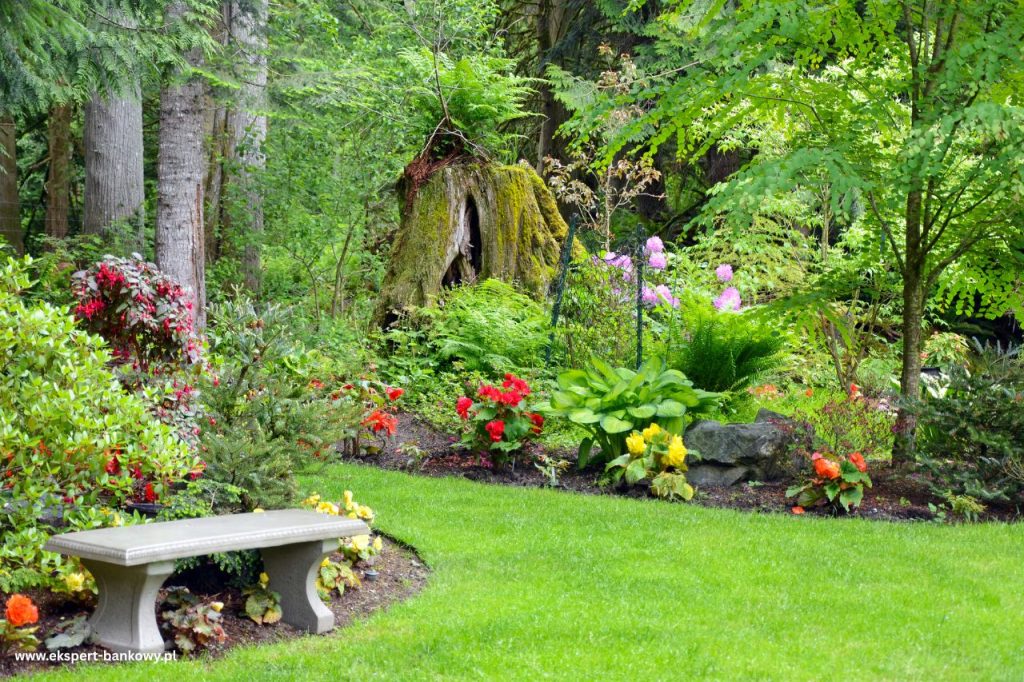
Irish garden design is influenced by the country’s mild climate, frequent rainfall and the growing interest in outdoor living. As a result, homeowners are choosing materials and planting styles that can withstand changing weather conditions while maintaining visual appeal throughout the year.
Natural and relaxed garden styles
One of the most noticeable trends in Irish gardens is the move toward more natural planting schemes. Instead of highly structured flower beds, many homeowners are embracing softer compositions with grasses, perennials and native plants.
This approach creates gardens that feel more relaxed and organic while also supporting biodiversity. Plants are often grouped in loose clusters that mimic natural landscapes. The result is a garden that changes gently through the seasons while remaining visually balanced.
These planting styles also tend to require less maintenance compared to traditional formal gardens.
Outdoor spaces designed for everyday living
Another strong trend in 2026 is the idea of the garden as an outdoor living space. Patios, seating areas and small outdoor dining zones are increasingly integrated into garden layouts.
Rather than being used only in summer, these areas are designed for year-round use. Sheltered corners, fire pits and subtle lighting help make the garden usable even during cooler evenings.
In smaller urban gardens, clever layouts help create multiple zones within limited space. A seating area, planting beds and pathways are carefully arranged to make the garden feel larger and more functional.
Durable materials suited to the Irish climate
Because of Ireland’s often wet weather, durability is an important factor in garden design. Materials must be able to handle moisture, temperature changes and long periods of rain.
Natural stone, gravel and weather-resistant metals are therefore widely used in contemporary Irish gardens. These materials age well and require minimal maintenance over time.
Raised planting areas are also becoming increasingly popular. A galvanized raised bed offers a practical way to grow vegetables, herbs or ornamental plants while ensuring proper drainage. These structures are particularly useful in areas where the soil quality is poor or where better control over planting conditions is desired.
Structured planting with architectural elements
Modern gardens often combine natural planting with clear structural elements. Borders, planters and pathways help organise the garden into defined areas.
This structure gives the garden a sense of order while allowing the plants to grow freely within those boundaries. The contrast between strong architectural lines and soft vegetation is a defining feature of many contemporary landscapes.
Products offered by companies such as MySteel are frequently used in these types of projects, where durable outdoor elements help shape the space without overpowering the natural planting.
Low-maintenance gardens
Many homeowners are looking for garden designs that remain attractive without requiring constant maintenance. Busy lifestyles and unpredictable weather conditions have encouraged a shift toward simpler planting schemes and robust materials.
Gravel gardens, ornamental grasses and evergreen shrubs are widely used because they provide structure throughout the year. Mulching and well-designed planting beds also help reduce weed growth and watering needs.
This trend reflects a broader desire for gardens that are enjoyable but manageable.
Gardens that evolve with the seasons
Irish gardens are rarely static. Changing weather conditions and seasonal plant growth constantly reshape the outdoor environment.
Designing with this in mind allows gardens to evolve naturally throughout the year. Spring bulbs, summer perennials and winter evergreens create layers of interest that ensure the space never feels empty.
By combining natural planting styles, durable materials and thoughtful layouts, garden design in Ireland continues to move toward spaces that are both functional and visually appealing.
These trends show that the modern Irish garden is no longer just a decorative area but a living environment that connects the home with the surrounding landscape
