
In Dublin’s fast-moving business environment, cleanliness is more than a visual detail—it’s a practical lever for productivity, compliance, and brand perception. Whether you manage a busy office, a customer-facing commercial premises, or a newly refurbished space awaiting handover, the right cleaning approach helps protect staff wellbeing, extend the life of interiors, and reduce operational friction. This article outlines how professional cleaning services work in a commercial context, what separates routine maintenance from specialist post-construction cleaning, and how business owners can evaluate providers with clarity rather than guesswork.
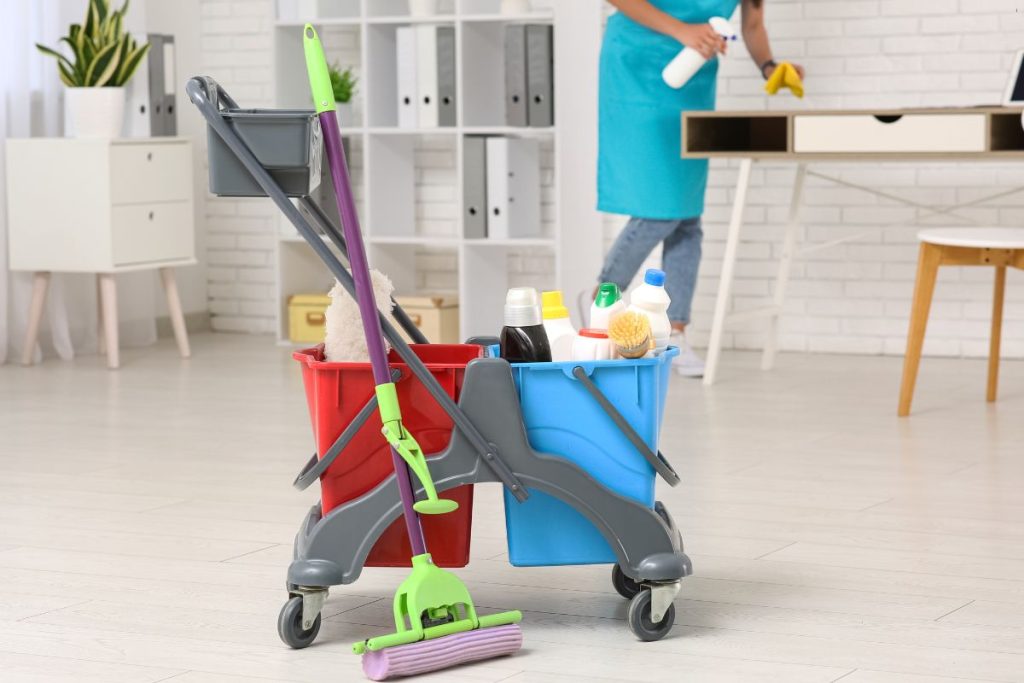
Why professional cleaning is a business decision (not just a facilities task)
Commercial cleaning is often treated as a line item, but a more useful framing is risk management and productivity support. Dust build-up, poorly maintained washrooms, or inconsistent waste handling can create reputational risk, contribute to higher sickness absence, and accelerate wear in high-traffic areas.
For many Dublin businesses, the turning point comes when one of these pressures appears:
- Increased headcount and shared spaces (kitchens, meeting rooms, breakout areas)
- More client-facing activity (consultations, showrooms, onsite visits)
- Higher compliance requirements (industry standards, internal audits, landlord obligations)
- Fit-outs, refurbishments, or relocation projects
- Seasonal spikes (winter grime, summer footfall, events)
Professional services are built to respond to these triggers with defined scopes, schedules, and quality controls—so cleanliness doesn’t depend on who remembered to do what.
Common service categories for Dublin commercial premises
Most business-focused cleaning falls into three broad categories. Understanding them helps you request accurate quotes, compare like-for-like services, and avoid gaps in coverage that only become obvious when a site is under pressure.
Office and workplace cleaning (recurring)
This is the most familiar category: routine cleaning delivered daily, several times per week, or weekly depending on occupancy, layout, and footfall. A clear scope typically covers washrooms, kitchen areas, floors, bins and recycling, and presentation-critical zones such as meeting rooms and reception spaces. Many businesses also include a policy on desk-area cleaning to align with privacy, security, and “clear desk” practices.
A key operational detail is that modern offices are increasingly hybrid. That can reduce daily mess, but it often increases variability of usage—some days are quiet, others are packed. Strong providers adapt schedules to real occupancy patterns, ensuring “peak days” are properly covered and that high-touch points don’t become a hygiene weak spot.
Commercial premises cleaning (retail, hospitality, mixed-use)
Retail units, clinics, gyms, and other customer-facing sites have different priorities than offices. Cleaning has to support brand presentation and safety, often outside trading hours, and often with a stronger emphasis on entrances, washrooms, and high-visibility surfaces.
Typical scopes may include glass and frontage detailing, washrooms under higher traffic, changing areas, customer seating, and back-of-house staff facilities. For multi-tenant buildings in Dublin, it’s also common to separate responsibilities between landlord-managed common areas and tenant-managed internal spaces—an area where clarity in the written specification prevents misunderstandings.
Post-construction and post-fit-out cleaning (project-based)
Post-construction cleaning is not “a deeper normal clean.” It’s a distinct discipline with different tools, materials, and sequencing. The objective is to make a space safe, presentable, and ready for handover—removing fine dust, adhesive residues, protective films, and building debris without damaging new finishes.
A typical workflow is phased: a rough clean to clear debris and control dust, a detailed clean for fixtures and internal glazing, and a final sparkle clean immediately prior to occupancy or inspection. This is where businesses often underestimate scope. Construction dust can travel and settle into vents, ledges, and cabinetry; silicone smears or adhesive residue can permanently mark frames and surfaces if the wrong chemicals or techniques are used.
Many businesses prefer working with one provider who can cover both recurring commercial cleaning and project-based post-construction work. One Dublin-based example is Hexaclean Solutions, referenced here simply as a local operator that offers services across these categories.
What “quality” looks like in a professional cleaning contract
Business owners often ask how to measure cleaning quality without micromanaging it. The answer is to focus on outcomes, documentation, and consistency rather than vague promises. A professional contract should make it easy to understand what “good” means—and to spot issues before they become complaints.
Look for elements such as a written cleaning specification aligned to your premises (areas, frequencies, exclusions, and acceptable standards), quality assurance checks (for example, scored spot inspections against a checklist), and clear escalation paths for issues such as missed tasks, supply problems, or access changes. Staffing and supervision matter as well—particularly for specialist tasks like hard-floor care, internal glazing, or post-construction cleaning.
Security and access protocols are also part of quality. Commercial sites often require keyholding rules, alarm procedures, out-of-hours access arrangements, and documented processes for incident reporting. If your premises have strict requirements—clinical-adjacent areas, food handling zones, or high-traffic entrances—ask how procedures differ by zone and how those differences are recorded.
Finally, many organisations now expect basic sustainability considerations. This doesn’t need to be a marketing story; it can be practical: sensible dilution control, responsible product selection where appropriate, and clear recycling/waste handling procedures that match how your building operates.
Operational considerations specific to Dublin businesses
Dublin’s mix of modern offices, Georgian buildings, retail corridors, and ongoing construction activity creates practical constraints that influence cleaning plans. These constraints aren’t deal-breakers, but they do need to be planned for.
Out-of-hours access and building rules
Many commercial buildings restrict service windows, lift usage, waste disposal, or chemical storage. A provider should account for these constraints in the plan rather than improvising onsite.
Traffic, parking, and logistics
City-centre locations can complicate equipment transport and waste removal. It’s worth discussing how teams arrive, how equipment is stored (if at all), and how consumables are handled to avoid last-minute disruption.
Construction and refurbishment cycles
Even businesses not directly renovating are affected by nearby works—dust, footfall changes, temporary access routes. A cleaning plan that can flex (for example, extra entrance care or periodic deep cleans) helps maintain standards during these periods.
A practical way to compare cleaning providers (without turning it into a price race)
Choosing a cleaning company purely on the lowest quote is rarely the most cost-effective outcome, because inconsistent cleaning creates hidden costs: complaints, rework, faster wear, and management time. The goal is not to buy the cheapest “hours,” but to buy consistent outcomes.
Instead, compare providers on a structured set of questions:
- Scope clarity: Is the specification explicit enough to prevent misunderstandings?
- Staffing model: Who cleans your site, how is cover handled, and who supervises?
- Quality control: How is performance checked and reported (e.g., spot audits, scheduled inspections)?
- Health & safety: What processes exist for safe chemical handling, slips/trips prevention, and incident logging?
- Insurance and compliance: What documentation is available for procurement or landlord requirements?
- Specialist capability: Can they support periodic deep cleans, carpets, hard floors, or post-construction needs?
- Communication: Who is your point of contact, and what response time is realistic?
A short site walk-through (or a documented site survey) is also valuable. It reduces guesswork, improves quote accuracy, and makes comparisons more meaningful.
When to add deep cleaning or specialist services
Even with a strong routine schedule, most businesses benefit from periodic specialist work. This is less about “cleaning more,” and more about maintaining surfaces and presentation over time—especially in high-traffic areas.
Typical examples include carpet extraction or low-moisture cleaning in meeting rooms and corridors, hard-floor scrubbing and resealing in entrances, high-level dusting (vents, beams, tops of cabinets), and internal glass and partition detailing. Some businesses also request a temporary uplift after peak seasons or illness outbreaks, focused on high-touch areas and washrooms.
Done well, specialist services protect assets, reduce long-term maintenance costs, and keep routine cleaning from becoming overloaded.
Getting the most from your cleaning partnership
The best outcomes happen when cleaning is integrated into operational reality rather than treated as a separate world. A few practical habits can improve results quickly: align cleaning times with peak usage and quiet periods, clarify desk and IT equipment policies to avoid privacy issues, and standardise how staff report issues so small problems don’t become recurring complaints.
It’s also worth reviewing the scope quarterly—especially after layout changes, renovations, or headcount shifts. Tracking recurring pain points (often entrances, washrooms, and kitchens) and adjusting frequency can deliver more impact than adding “more cleaning” everywhere.
Commercial cleaning in Dublin doesn’t need to be complicated—but it does need to be intentional. When services are specified clearly and managed professionally, they support the broader goals of a business: a healthier workplace, better client impressions, and smoother day-to-day operations—whether you’re maintaining an office, running customer-facing premises, or preparing a newly completed space for handover.
