
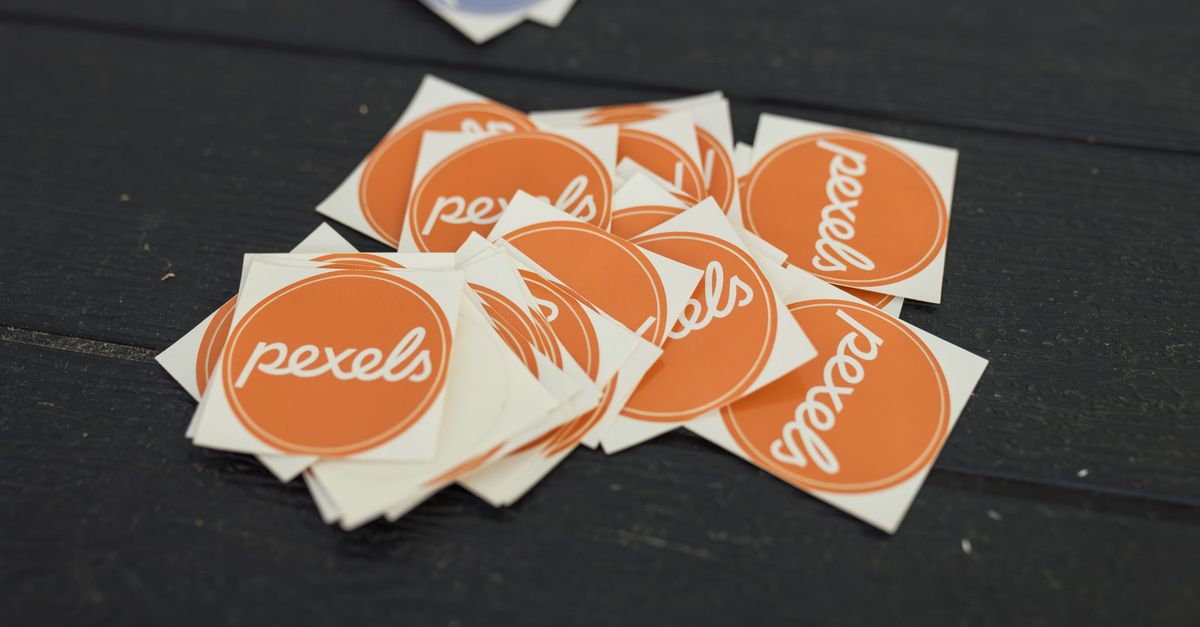
A brand represents the identity and reputation of a company, product, or service as perceived by its audience. It encompasses elements such as the name, logo, design, messaging, and overall tone that distinguish one entity from another in the market. A strong brand conveys a clear and consistent value proposition, fostering recognition, trust, and loyalty among consumers. It represents the promise of a certain experience and quality, influencing how customers make purchasing decisions.
Building a successful brand requires a strategic blend of creativity, consistency, and market insight. It involves not only visual elements and messaging but also the underlying values and culture of the organization. Effective branding communicates a unique personality and differentiates a business from its competitors, establishing an emotional connection with consumers. This connection is vital for long-term success, as it drives customer retention and advocacy while enabling premium positioning in the marketplace.
Over time, a well-established brand becomes a powerful asset, contributing to overall business equity and market positioning. It helps shape customer perceptions and can lead to sustained competitive advantages by creating an environment where the brand is synonymous with quality and reliability. Continuous investment in brand building, through consistent messaging and high-quality customer experiences, ensures that a brand remains relevant and appealing in an ever-changing market landscape.
Key Elements of a Brand
Take a concrete case: a local business welcomes around 6,000 visitors each month across its website and storefront. With this volume, a memorable visual identity—colours, logo, font—ensures those visitors recognise the business instantly, whether on social media, signage, or product packaging. When these elements are consistent and distinctive, brand perception improves, fostering familiarity and trust among new and returning customers.
While visuals catch the eye, tone of voice gives the brand its personality. The words a brand chooses—whether friendly, professional, or playful—shape how audiences feel. Paired with clearly defined values, such as commitment to local sourcing or sustainable practices, these aspects work together to tell a unique story. Brands that align their values and voice often see stronger customer loyalty because people connect with what the brand stands for.
- Consistent logo, colour palette and typography unify all brand touchpoints
- Tone of voice communicates personality and appeals to the ideal audience
- Core values guide decisions and resonate with customers’ beliefs
- Visual identity aids in immediate recognition in crowded marketplaces
- Every element should reinforce the brand’s promise and positioning
Impact of Branding on Consumer Behaviour
Look at the numbers: a business with a monthly reach of 7,200 prospective customers, the kind you would get by adding branding in-store, on packaging and across digital, will often see measurable changes in customer actions. Familiar and positively-perceived branding reassures customers about quality and reliability. This increases the likelihood of a first purchase and encourages repeat visits. Emotional connections grow as customers regularly interact with consistent branding, driving long-term loyalty.
Strong branding works at a subconscious level. It influences customer perception by associating a product or company with particular values, lifestyles or emotions. When faced with two similar choices, most people will instinctively pick the brand they recognise and trust. This isn’t just preference. Effective branding makes consumers feel part of a group, giving comfort in choice even when competitors offer lower prices.
However, weak or inconsistent branding can dilute these effects. Customers start to doubt the promise behind the name, which may lead to reduced loyalty or increased price sensitivity. Attention to every touchpoint, from logos to messaging, is vital. Failing to keep the experience seamless and recognisable undermines the effort put into establishing brand reputation.
- Consistent branding shapes positive first impressions
- Visual identity helps products stand out in crowded markets
- Emotional branding creates lasting connections with customers
- Trust in branding shortcuts decision-making at point of sale
- Poorly handled branding changes can damage customer loyalty
Building and Maintaining Brand Equity
Strong brand equity stems from consistency, trust, and relevance. For companies looking to ensure long-term growth, the focus should rest on delivering a clear, authentic message and a positive customer experience. Brand recognition builds over time through repeated, reliable delivery on promises—not just advertising or nice logos. It’s important to engage regularly with your audience, listen to their feedback, and adapt as markets change while maintaining core values.
Businesses often neglect ongoing brand management after initial success. When growth leads to new products or market expansions, it’s crucial to align every new touchpoint with your brand’s core attributes. For example, using various communication platforms is effective only when the voice and messaging remain recognisable and genuine. Neglecting this coherence can cause confusion and erode established trust, giving an edge to competitors with clearer positioning.
- Define and document your brand’s purpose, values, and tone of voice
- Perform regular brand audits to ensure consistency across touchpoints
- Actively gather and respond to customer feedback to reinforce trust
- Invest in staff training so team behaviour reflects brand values
- Create strong visual identity guidelines and enforce their use
- Remain adaptable while staying true to your brand’s core promise
- Track brand health metrics and act on any signs of declining perception
Branding Mistakes and How to Avoid Them
Run the maths on this: a small firm changes its logo and tone of voice but fails to update its website, social media, and packaging consistently. With an estimated 8,400 monthly customer touchpoints across platforms, one in five encounters now features outdated branding elements. That’s 1,680 confusing interactions each month, undermining credibility and making the brand appear disorganised. This erosion of trust can quickly undo months of careful marketing, emphasising that consistency across all channels is non-negotiable for a professional reputation.
Failing to define core values or target audience is another widespread branding pitfall. Brands attempting to appeal to everyone often end up with a vague identity that resonates with no one. Regularly auditing your brand messaging and seeking honest feedback help ensure your identity remains clear and relevant to your audience. Investing time in documented brand guidelines, shared with all stakeholders, is typically repaid many times over in brand recognition and customer loyalty.
- Identify inconsistencies across all brand touchpoints
- Clarify your brand’s values and communicate them internally
- Update all channels simultaneously during rebranding
- Gather feedback on how your brand is perceived externally
- Create and maintain a concise brand guidelines document
| Branding Mistake | What to check | Risk or note |
|---|---|---|
| Inconsistent visuals | Are all platforms updated? | Loss of trust, confusion |
| Vague messaging | Do staff know the core values? | Brand feels unfocused |
| Lack of guidelines | Is there a brand document? | Difficulty scaling efforts |
| Not updating assets | Are all materials refreshed? | Old logo or colours linger |
Brand-Related Frequently Asked Questions
Here is a simple example: if a small gym in Cork welcomes 5,400 new website visitors each month (calculated as 1200 x 9), building brand awareness will be crucial for turning some of that traffic into clients. Questions often come up about how brand identity differs from a logo, or why consistency in messaging matters. Both are vital—while a logo represents a visual symbol, the brand identity covers values, tone, and customer experience. Consistency ensures that clients recognise and trust the business across all touchpoints, boosting conversion from site visits to sign-ups over time.
Brand perception can also be influenced by reviews, community involvement, and handling negative feedback. Many ask how to recover after a reputation crisis or a social media misstep. The answer is transparent communication and swift action. Managing expectations, admitting errors, and outlining practical steps to improve can often restore trust. Staying proactive, measuring public sentiment, and leveraging feedback will further strengthen the reputation and keep the organisation resilient.
- A logo is not the same as full brand identity
- Consistency strengthens long-term trust and recall
- Community engagement builds reputation and loyalty
- Responsiveness helps minimise harm from negative feedback
- Regular brand audits help detect issues early
- Authentic values guide strategy and external communications
- Brand equity grows with each positive customer experience