
Impression: Count of times your content is viewed

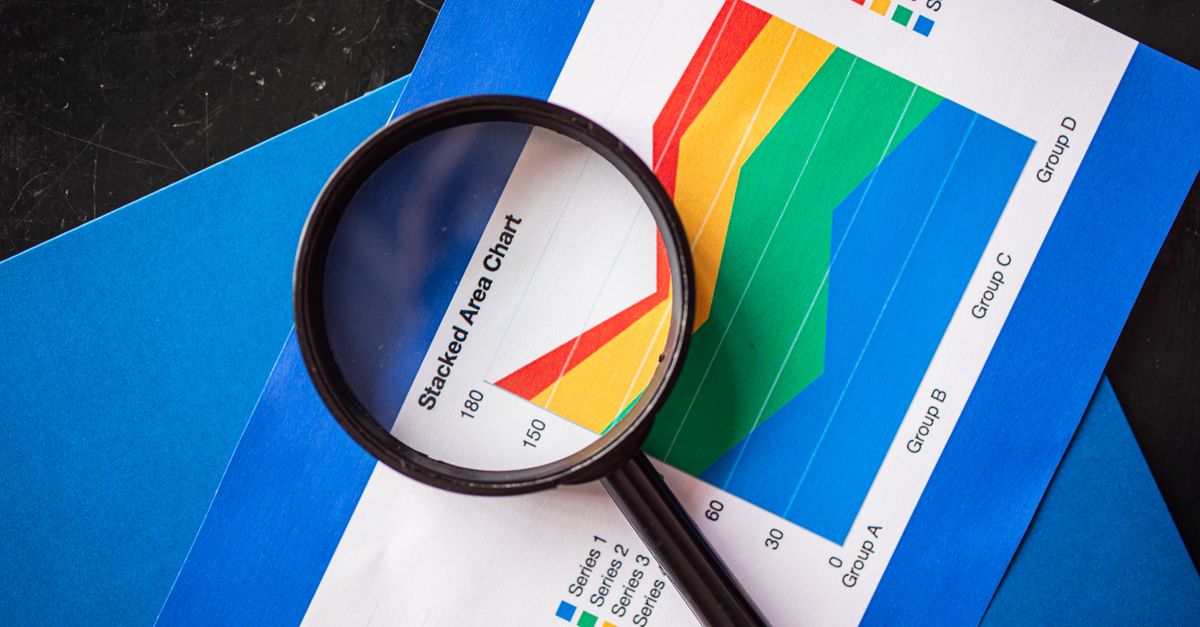
Magnifying glass highlighting stacked area charts for business analysis.

An impression is a fundamental metric in digital advertising that represents a single instance of an ad being fetched and displayed on a user’s screen. Each time an advertisement loads—regardless of whether it’s clicked or interacted with—it counts as one impression. This measurement provides advertisers with initial insights into the ad’s reach and visibility among the target audience.

While impressions alone don’t equate to user engagement, they are essential for evaluating campaign performance. They quantify how often an advertisement has potentially been seen, serving as the foundation for calculating other critical metrics like click-through rates and conversion rates. In essence, impressions help gauge the overall exposure and effectiveness of an advertising initiative.

Furthermore, impressions are analyzed alongside other data points to refine optimization strategies. By examining when, where, and how frequently ads appear, marketers can fine-tune targeting parameters and creative elements to enhance ad placement and campaign performance. This iterative process ensures ads not only reach a broad audience but also engage the right users at optimal times.

Significance of impressions in digital advertising

Take a concrete case: a small Irish clothing retailer launches a social campaign, and their ads appear 6,000 times in one week. Even if only a small percentage of users actually click, the impression count provides proof that the brand’s message is being seen. Impressions are the most fundamental metric for understanding reach—without knowing how many people have seen your content, it is difficult to benchmark visibility and evaluate the overall effectiveness of any awareness-driving activity.

Monitoring impressions helps reveal whether campaigns are reaching the intended audience. If impressions are lower than expected, this could mean an issue with budget settings, targeting, or creative appeal. Excessive impressions with no engagement might indicate ad fatigue or poor content fit. Analysing changes in impression levels over time also shows how seasonal trends, campaign tweaks, or external events influence your online presence.

  • Use impression data for measuring brand exposure
  • Track changes to spot creative or targeting issues
  • Cross-compare with clicks for deeper insight
  • Identify where and when your ads gain the most visibility
  • Assess if you are getting sufficient reach for your spend
  • Monitor for signs of ad fatigue or oversaturation

Impressions compared to other digital metrics

Look at the numbers: a small regional business runs a digital campaign that records about 7,200 impressions in a month (derived from 1,200 x 6). While impressions show the number of times your content is displayed, they do not reflect whether viewers engage further. For example, only a fraction of those seen impressions might result in clicks to your website, and an even smaller amount will convert to sales, newsletter sign-ups or other desired actions.

Understanding the relationship between impressions and metrics like clicks, click-through rate (CTR) and conversions helps clarify each one’s role. Impressions measure sheer visibility, while clicks reveal interest and conversions demonstrate genuine success. A campaign with high impressions but low clicks or conversions may need creative adjustments or better targeting.

MetricWhat to checkRisk or note
ImpressionsSize and quality of reachDon’t confuse visibility with engagement
ClicksEngagement levelHigh clicks with no conversions: check offer
CTRMessage relevanceLow CTR may mean poor creative or targeting
ConversionsActual campaign successLow numbers: revisit landing page or offer

A sound approach is to track these digital metrics together. This paints a full picture of the path from first view to final action, letting you fine-tune your campaign for both reach and meaningful engagement.

How impressions are measured and reported

Impressions are recorded each time your ad, post or listing is shown on screen to a user. Tracking systems used by online platforms count an impression the moment content appears, whether the viewer interacts with it or not. Most reporting tools collect data directly from ad servers, publisher logs or website tracking pixels. The main goal is to count each unique appearance but not every system interprets a view in the same way. Discrepancies can occur if someone quickly scrolls past content, blocks tracking scripts, or repeats visits within a short period.

Factors such as device type, browser privacy settings, and ad-blockers can affect the counting. For example, a campaign aiming for 8,400 sessions per month (based on a business running several ads across social and search) might show a variance between what the platform dashboard and third-party analytics report. This difference often comes down to how an ‘impression’ is defined and counted by the different systems. It’s important to regularly compare sources and understand these limitations to ensure your data is reliable.

  • Automated tracking scripts log content visibility moment by moment
  • Analytics platforms rely on server logs, tracking pixels or tags
  • Some platforms only count impressions after content appears for a minimum time
  • Ad-blockers and privacy features can prevent impression tracking altogether
  • Bots or automated traffic can artificially inflate impression counts
  • Comparing two or more reporting tools can reveal gaps or inconsistencies
  • Reviewing regular reports helps spot trends and anomalies quickly

Common pitfalls and misconceptions about impressions

Run the maths on this: if a business campaign gets shown to users 9,600 times in a month across different channels, not every one of those occasions means the user saw or engaged with the advert or content. Many assume that every impression is a meaningful view, but this figure simply records that the content was loaded or briefly displayed on a screen, which may have happened below the fold or while the user’s attention was elsewhere. Relying heavily on this metric without deeper context can lead businesses to overestimate the impact or actual reach.

A frequent pitfall is confusing impressions with unique users. If the same person encounters your content several times, each instance is counted separately. This can inflate perceived audience size and misinform strategy decisions unless cross-checked against other metrics such as reach or engagement. To make better decisions, regularly compare impression numbers with interactions like clicks or conversions. This ensures you measure both visibility and the campaign’s actual effect on behaviour.

  • Counting impressions as proof all viewers paid attention
  • Treating impressions and unique reach as interchangeable
  • Ignoring placement (such as hidden or background displays)
  • Not comparing impressions to follow-on actions like clicks
  • Overlooking the potential for accidental or repeat impressions
  • Relying solely on high impression counts to judge campaign success

Interpreting impressions for campaign optimisation

Here is a simple example: A regional business runs an online ad campaign over seven months, and its content collects around 10,800 impressions each month. By tracking how this figure changes month by month, they can spot patterns—perhaps a big surge after a local event, or a drop after changing an ad visual. These changes are clues about what content connects best with their audience.

Analysing impression data isn’t just about chasing bigger numbers. A spike in impressions without a corresponding rise in clicks or conversions may mean the ad is shown, but not resonating. Conversely, if impressions are steady but revenue climbs, targeting or creative tweaks might be working well. Regularly reviewing where and when impressions occur helps expose wasted spend, wrong channels, or even ad fatigue.

  • Monitor month-by-month impression trends for useful patterns
  • Relate impression changes to specific campaign elements or events
  • Compare impressions to engagement and results, not just in isolation
  • Watch for sudden falls, which could signal technical or targeting issues
  • Avoid focusing on high impression counts if they don’t lead to action
  • Use insights to tweak visuals, headlines, or targeting for better performance
👉 See the definition in Polish: Impression: Liczba wyświetleń reklamy

Related terms

Browse all terms in our Digital Marketing Glossary

Leave a comment