
In-memory data fabric: High-speed data integration solution

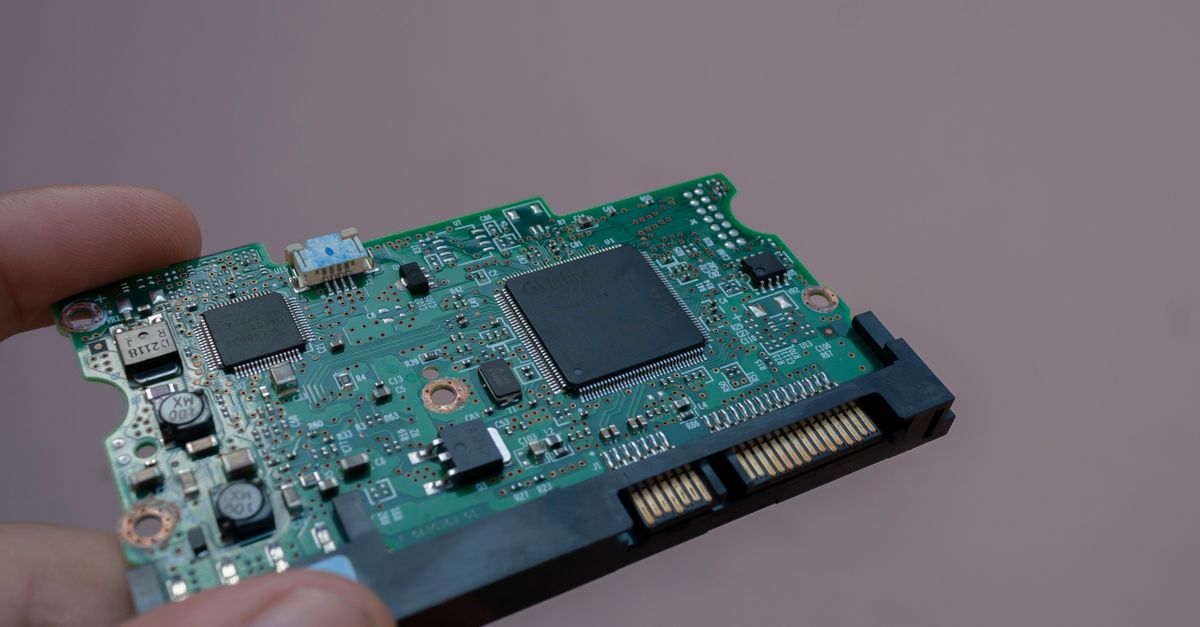
Detailed view of a hard drive circuit board showing components and connections in Mérida, Venezuela.

In-memory data fabric is an advanced technology framework that provides a distributed, high-speed layer for processing and managing data in memory rather than on disk. This architecture enables real-time analytics, faster data processing, and increased scalability by leveraging the speed of RAM. It integrates data from various sources, creating a unified and accessible data layer that supports rapid decision-making in complex IT environments.

The benefits of an in-memory data fabric are significant, particularly for applications requiring immediate insights and actions. By reducing the latency associated with disk-based storage, organizations can perform analytics and transactional processing at unprecedented speeds. This is especially valuable in industries like finance, telecommunications, and e-commerce, where real-time data processing can offer a competitive edge and improve operational efficiency.

Moreover, the in-memory data fabric architecture is designed to be flexible and scalable, accommodating growing volumes of data and evolving business needs. It supports a range of applications, from real-time fraud detection to personalized customer experiences, by providing a robust and resilient platform for data management. As businesses increasingly rely on data-driven strategies, the in-memory data fabric represents a critical innovation for harnessing the full potential of real-time analytics and high-performance computing.

Core Benefits of In-Memory Data Fabric

Take a concrete case: a mid-sized analytics firm processes 6,000 data transactions per month. Switching their integration setup from a traditional database to in-memory data fabric, they find that queries that used to take minutes now complete in just seconds. The reduced lag and increased throughput mean their analysts can deliver insights almost instantly, keeping decision-makers up to speed in fast-moving sectors.

One major pitfall to look out for is scalability. While in-memory data fabric is built to scale, organisations need to monitor memory utilisation. If transaction volumes double or triple unexpectedly, outgrowing available memory can undo the performance gains. Building in robust monitoring and dynamic scaling ensures operations stay resilient, even during unpredictable spikes in demand.

  • Processes high transaction volumes with very low latency
  • Supports real-time analytics for better and faster business decisions
  • Easily scales to accommodate growing data without major redesign
  • Reduces infrastructure bottlenecks that commonly slow down legacy systems
  • Enables streamlined workflows by integrating diverse data sources seamlessly
  • Cuts response time for customer-facing applications, improving user experience

Real-World Use Cases Across Industries

Look at the numbers: a healthcare analytics firm might process around 7,200 patient records monthly using in-memory data fabric to unify disparate sources. This allows clinicians to access and cross-reference up-to-date data within seconds, improving decision speed in urgent care. Financial services, on the other hand, swiftly consolidate trading and risk data, letting analysts see real-time fluctuations and act quickly on positions where minutes can mean thousands in gains or losses.

Retailers apply this technology to analyse daily sales, inventory, and customer engagement—combining perhaps 7,200 transactions each month across channels. By rapidly blending these sources, the data fabric enables same-day stock replenishment and tailors promotional campaigns with minimal lag. The manufacturing sector often integrates production line data with supply chain inputs to predict bottlenecks, improving flow and reducing costly downtime.

  • Healthcare firms delivering near-instant integration of patient, lab, and treatment data
  • Retailers synchronising web, till, and inventory sources to streamline restocking
  • Banks combining transactional, trading, and customer data for faster insights
  • Manufacturers merging sensor outputs and order systems for real-time process adjustment
  • Logistics companies fusing shipment and route data to optimise delivery times
  • Utilities providers consolidating usage and outage reports for quicker fault detection

Common Implementation Challenges and Solutions

Many organisations encounter a steep learning curve when integrating in-memory data fabric technology, particularly around legacy system compatibility and real-time synchronisation. Existing infrastructure may not be designed to support rapid data processing speeds, leading to bottlenecks or inconsistent data flows. This can result in downtime or reduced performance if not addressed early in the planning phase.

Another frequent issue is scalability. Startups or small teams who begin with around 8,400 monthly transactions might struggle as their user base grows and data demands quickly surpass initial hardware or configuration limits. If the system isn’t architected for easy expansion, teams can find themselves scrambling to rework the foundation, causing both delays and unnecessary expenses.

A proactive approach is essential. Investing time in careful requirements analysis, involving IT early, and conducting robust performance benchmarks can highlight limitations before they become blockers. Close collaboration between technical and business staff ensures data flows align with operational goals, reducing the risk of costly rework.

  • Assess compatibility with existing systems before deployment
  • Build for scalability by anticipating future data growth
  • Implement rigorous performance testing in realistic scenarios
  • Prioritise real-time synchronisation architecture early
  • Engage stakeholders from both IT and business units

Comparisons with Traditional Data Integration Architectures

Run the maths on this: Suppose an SME processes 9,500 monthly data transactions. Traditional ETL solutions often batch up jobs, leading to delays while data is transferred between storage and compute layers. In contrast, an in-memory data fabric allows all 9,500 transactions to be queried and analysed virtually in real time, rather than over several hours. This gives much faster insight and supports responsive decision-making, especially for demand forecasting or customer analytics.

In-memory solutions can seem more costly at first glance due to higher infrastructure requirements. However, consider the operational expenses over time. Organisations may spend proportionally less on ongoing maintenance, and their teams waste less time on custom integrations or troubleshooting brittle data pipelines. Scalability is also a strength: expanding traditional systems can require considerable re-architecture, while a high-speed in-memory layer can add resources more flexibly, often without downtime.

FeatureWhat to checkRisk or note
PerformanceReal-time vs. batch processingDelays reduce business agility
CostUpfront and ongoing expensesIn-memory hardware is pricier at the start
ScalabilityEase of expansionTraditional setups can hit bottlenecks
ComplexitySetup and maintenance loadLegacy systems need more manual work

Look closely at your organisation’s current and future data needs. Those with rapidly growing datasets or time-sensitive analytics will gain the most from a high-speed in-memory approach. Meanwhile, legacy architectures may suffice where data velocity and diversity are lower. Aim to balance initial spend with the gains in speed and efficiency you genuinely require.

👉 See the definition in Polish: In-Memory Data Fabric: Szybka integracja danych w pamięci

Related terms

Browse all terms in our Digital Marketing Glossary

Leave a comment