
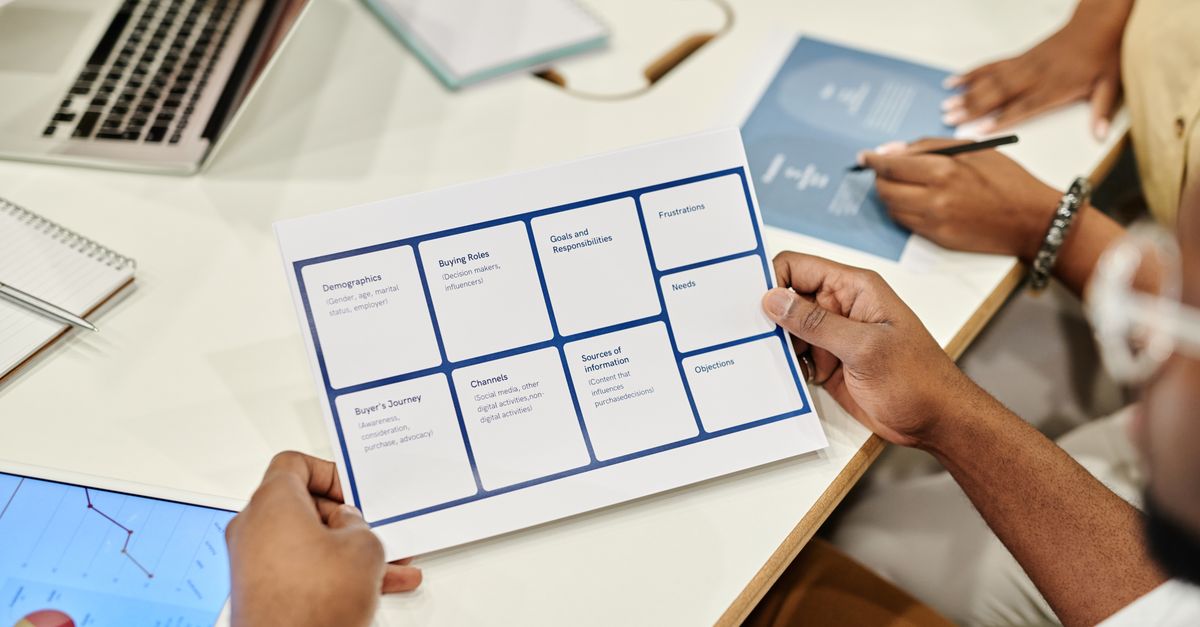
Individual marketing is a strategic approach that treats each customer as a unique entity with distinct needs, preferences, and behaviors. Instead of relying on generic one-size-fits-all strategies, it tailors messages, offers, and interactions to align with each consumer’s specific characteristics. This highly personalized method leverages data analytics and customer segmentation techniques to deliver customized content that resonates on an individual level.
By implementing individual marketing, companies can cultivate deeper customer relationships, fostering enhanced loyalty and increasing customer lifetime value. Personalized marketing communications are more effective at capturing attention and driving engagement since they address the unique challenges and desires of each target segment. This approach not only boosts marketing campaign effectiveness but also helps brands stand out in competitive markets.
The success of individual marketing depends on comprehensive data collection and analysis, along with the flexibility to adapt strategies based on evolving customer feedback and preferences. Advanced technologies like artificial intelligence and machine learning are instrumental in processing large volumes of customer data to generate actionable insights. Ultimately, individual marketing represents a shift toward customer-centric business models where personalization drives success.
Personalised Communication and Customer Relationships
Take a concrete case: a local fashion boutique develops a database of 6,000 customer profiles, each recording style choices and purchase history. With these insights, the boutique sends tailored product recommendations to each customer every few weeks. When a customer receives a suggestion that matches their taste or a seasonal reminder for their favourite brand, they are more likely to engage, click through, and make repeat purchases. Over a four-month period, this targeted approach leads to visibly higher email open rates and double the usual rate of repeat business, compared to generic broadcasts.
However, it’s important to carefully manage frequency and context. Too many messages or overly personal content can make customers uncomfortable, risking unsubscribes or complaints. Brands should check that the data informing their communications is current and that preferences are respected. When done well, personalised messages build trust and a sense of being understood, making customers more likely to stay loyal even when competitors approach.
- Gather data at every key touchpoint to build up accurate preferences
- Segment communication based on behaviour, not rough demographics
- Time messages for when users are most likely to respond
- Provide genuinely useful or exclusive information with each contact
- Offer easy options for customers to update their preferences
- Monitor for signs of fatigue, such as lower response rates or complaints
Impact of Technology and Data Analytics on Individual Marketing
Look at the numbers: with access to 7,200 individual customer sessions a month, a mid-size Irish retailer can use advanced analytics to identify detailed purchase and browsing patterns over just six months. Technology now allows marketers to combine real-time website tracking, CRM data, and social interactions. Using this volume of data, businesses can segment audiences more precisely and tailor content, recommendations, and offers to each consumer’s historic behaviours and preferences, leading to higher conversion rates and improved loyalty.
The ability to use artificial intelligence and predictive modelling means that patterns, such as when a customer is most likely to buy or when they often abandon a cart, can be acted upon instantly. This reduces wasted marketing spend and increases return on investment. However, one major pitfall is over-reliance on automated systems without regular human review, which can result in missed nuances in consumer behaviour or even errors that affect customer experience.
- Get consent for all data gathered from customers online or in-store
- Regularly audit automated algorithms to check for bias or errors
- Blend historic and real-time data for dynamic audience segmentation
- Adjust tailored strategies every quarter based on recent campaign results
- Combine technical analysis with staff insights for a rounded approach
Practical Steps for Implementing Individual Marketing
Begin by clarifying your target audience segments using existing customer data. This will form the foundation for meaningful personalisation. Design a data collection process that respects user privacy, yet gathers useful insights such as purchase behaviour, preferred channels and demographic details. Next, choose marketing tools that streamline the delivery of tailored content—this might include automated email platforms or customer relationship management software.
A key step is to develop unique value propositions for each segment. For instance, if your business identifies 7,200 customers each month that respond differently to seasonal promotions, ensure your messaging and offers address those variances. Over a four-month trial, regularly assess response rates and engagement metrics to adjust your approach on the fly. Always monitor data quality, as errors here can undermine even the best-intentioned campaigns.
- Divide your customers into meaningfully distinct groups using reliable data
- Set clear goals and define how you’ll measure the results of personalisation
- Choose digital tools that match your needs and integrate easily with existing systems
- Draft personalised content for each segment and automate delivery where possible
- Test your messaging, monitor analytics and refine based on real-world feedback
- Stay attentive to data privacy regulations and customer opt-in preferences
Individual Marketing Versus Mass Marketing
Run the maths on this: Suppose a company with 8,500 direct email subscribers (based on the index formula) is considering two approaches—mass marketing targets the entire base with a single generic campaign, while individual marketing segments the group by preferences and tailors offers. Mass marketing is easier to launch and reaches all 8,500 at once, but engagement rates tend to fall flat, perhaps generating a modest uplift. Meanwhile, individual marketing, despite the higher investment in time and tools, can double or treble the response rates by matching products to consumer preferences.
Where mass marketing excels is brand awareness and when launching products with universal appeal. It’s cost-efficient for broad demographics and wide-reaching channels like television or radio. By contrast, individual marketing shines for high-value or repeat-customers, customising messages and offers based on actual behaviour. This approach is ideal in sectors like finance, fashion, or hospitality, where customer loyalty can be shaped by personal relevance.
| Approach | What to check | Risk or note |
|---|---|---|
| Mass marketing | Message clarity and broad relevance | Can waste budget on disinterested audiences |
| Individual marketing | Data detail and segmentation accuracy | High setup costs and scaling challenges |
| Mass: brand launch | Media reach and recall | Limited personal engagement |
| Individual: loyalty offers | ROI by segment performance | Requires robust data privacy practices |
While adopting a tailored strategy seems attractive, it carries risks: poor data quality or over-segmentation can reduce campaign impact. Striking a balance—combining broader reach for brand-building with targeted efforts for conversions—often yields the best results for small and medium businesses.
Common Pitfalls and Best Practices
Here is a simple example: a business sets up a personalised marketing campaign aimed at 6,300 monthly website visitors, creating segments based on recent browser behaviour. However, by failing to update these segments as visitors’ interests evolve, their recommendations soon become stale and irrelevant. Engagement drops, reducing the perceived value of personalisation and undoing months of effort. To avoid this, it’s vital to regularly refresh customer data and test personalisation rules, ensuring content stays relevant to each user’s latest activity.
Over-segmentation can also backfire. If audiences are divided into too many niche groups, campaign management becomes unwieldy and messaging may lose impact. Instead, robust yet manageable segmentation will maintain a balance between relevance and practicality. Likewise, marketers must handle personal data carefully to avoid privacy breaches, which can damage trust and lead to regulatory issues.
- Regularly audit personalisation criteria for accuracy and relevance
- Use clear opt-in processes to respect and protect customer privacy
- Test campaign messaging frequently on smaller audience samples first
- Avoid creating too many micro-segments that make management complex
- Track engagement metrics to identify when content needs updating
- Train staff on ethical use and storage of personal data
