
Landing page: Web page designed for conversion focus

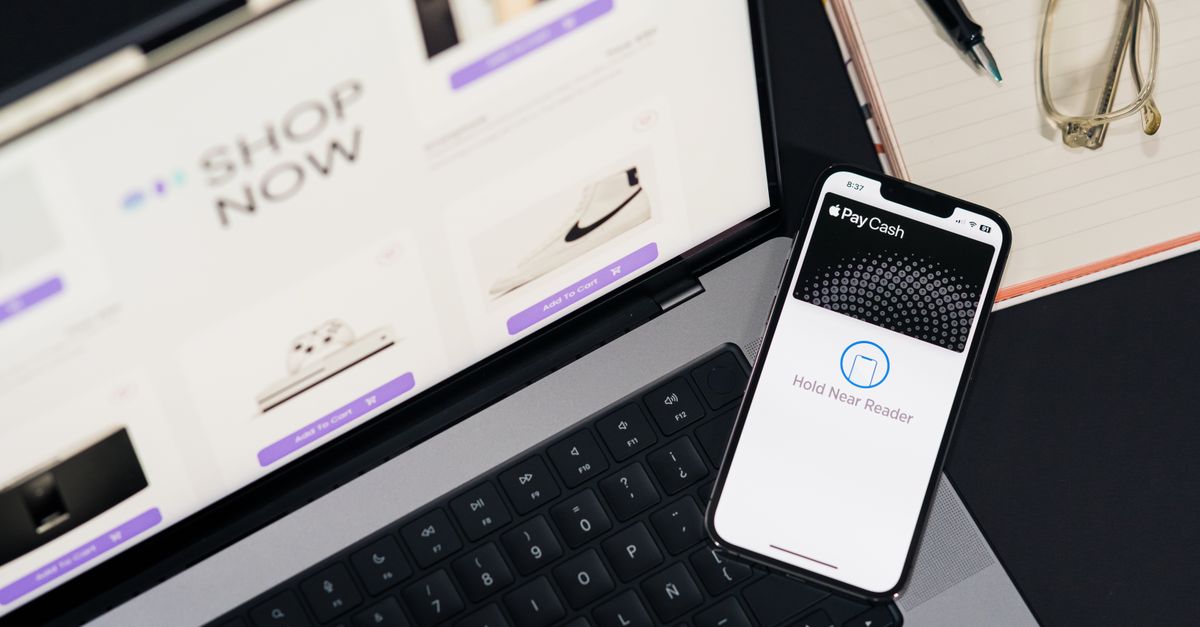
Laptop and smartphone showcasing online shopping and mobile payment setup on desk.

A landing page is a purpose-built web page designed to achieve a specific marketing or conversion objective. Unlike a homepage that provides a general overview of a website’s content, a landing page focuses entirely on capturing visitor attention and driving a single call to action—whether it’s newsletter signups, resource downloads, or purchases. This concentrated approach minimizes distractions, resulting in significantly higher conversion rates.

The design and content of landing pages are meticulously optimized for specific campaigns or audience segments. Strategic elements like compelling copy, impactful visuals, and clear calls-to-action work together to guide users toward the intended goal. Sophisticated landing pages often incorporate A/B testing to continuously refine performance based on visitor behavior and conversion analytics.

Furthermore, landing pages serve as vital measurement tools for digital marketing effectiveness. By monitoring key performance indicators including bounce rates, conversion metrics, and engagement levels, marketers can identify high-performing elements and areas needing improvement. This analytical approach enables continuous optimization while establishing direct correlations between marketing initiatives and business outcomes.

Key Features of a High-Converting Landing Page

Take a concrete case: an SME in Belfast running a local service campaign receives around 6,000 monthly visits to its landing page. Even a modest increase in conversion rate from 5% to 7% could yield over 120 extra leads a month. This shows how a few targeted adjustments can result in significant gains for businesses aiming to turn traffic into valuable actions.

The key to a high-performing landing page is laser-focus on the desired outcome. Every element—from the headline to the call-to-action—serves a single purpose: guiding the user towards conversion. Consistent design with minimal distractions, credible testimonials, and fast loading times help build trust and keep visitors engaged. Missing just one critical element, like a clear offer or mobile optimisation, can see potential customers slip away.

  • Strong, benefit-driven headline that grabs attention quickly
  • Simple, compelling call-to-action above the fold
  • Persuasive copy that addresses audience needs and pain points
  • Trust indicators such as testimonials, reviews, or partner logos
  • Mobile-friendly, fast-loading layout to retain mobile and tablet users
  • Eye-catching visuals that reinforce the offer without clutter
  • Minimal navigation and external links to keep users focused on the action

Common Landing Page Mistakes and How to Avoid Them

Look at the numbers: if a local services firm redesigns their landing page and sees monthly sessions jump from 7,200 to 9,600, they may still find conversions barely move. This could be due to confusion caused by cluttered content or an unclear call-to-action. With just minor changes, like simplifying the design or clarifying a headline, they might turn an additional 80 interested visits into leads each month—an improvement easily worth the effort. Avoiding basic mistakes is often the quickest win available.

Frequent errors include too many competing offers, which splits user attention, and slow-loading images that frustrate visitors. Other missteps are poorly defined buttons, distracting colour schemes, or missing mobile optimisation. Each can derail a user’s decision-making at a critical moment. By focussing on one clear action, checking your page speed, and testing across devices, you immediately reduce likelihood of these pitfalls.

  • Make one action or offer the focus of your landing page
  • Keep wording concise and clear, avoid jargon or overload
  • Use distinctive, clearly marked CTA buttons
  • Ensure fast page load by compressing large images
  • Test your page on mobile and tablet regularly
  • Remove unnecessary distractions or menu items

A/B Testing and Continuous Optimisation

Optimisation is not a one-off task. Effective landing pages evolve based on user behaviour, data insights, and structured experiments—most importantly, through A/B testing. This process involves creating two page variants, each shown to a similar segment of visitors. Over time, you identify which version drives more conversions. Even minor tweaks to headlines, call-to-action buttons, or form lengths can unlock significant improvements.

Instead of changing everything at once, focus on one element per test for clear results. For instance, split your audience so 50% see the original headline and 50% see a new one, then compare submission rates. Continue with other strong hypotheses over several weeks, using the best version as the new standard. Review your data regularly, as user expectations and digital trends shift quickly.

  • Limit tests to one variable at a time for reliable results
  • Allow tests to run until you reach a statistically meaningful number of visitors
  • Set clear goals before each test, such as improving sign-ups or downloads
  • Document every change and result to avoid repeating failed ideas
  • Monitor seasonality or external events that might influence user behaviour
  • Make A/B testing a regular calendar activity, not an occasional fix

Landing Page Metrics and Performance Evaluation

Run the maths on this: suppose a Cork-based business receives 9,600 landing page visits per month. If 480 visitors fill out an enquiry form, that is a 5% conversion rate. With such numbers, monitoring metrics like bounce rate, average time on page, and exit rate becomes crucial for understanding user behaviour and identifying where improvements will yield the most significant gains. Analysing the conversion rate over time after changes are made helps verify what really works.

It’s important to regularly segment landing page data by traffic source, device type, and audience location. This ensures patterns are not masked by outliers or irrelevant traffic. For example, a high bounce rate could mean the content is not relevant, or simply that the campaign is targeting the wrong audience. Reviewing these metrics after each campaign or design change is a best practice. Small adjustments, such as clarifying call-to-action wording or adjusting layout, can sometimes raise conversions by several percentage points.

  • Monitor conversion rate as the core measure of landing page performance
  • Track bounce rate to see if visitors engage with the page at all
  • Analyse average time on page for signs of user interest or confusion
  • Segment data to avoid misinterpreting aggregate results
  • Compare pre- and post-change metrics to measure impact of optimisations
  • Consider multiple sessions and returning users for a fuller performance picture

Landing Page versus Homepage Comparison

Here is a simple example: imagine a business that receives 8,400 visits a month (1,200 x (5+4)) to its primary web address. If those visitors simply land on the homepage, most will browse, navigate, or exit at will, following their own interests. By contrast, a purpose-built web page designed specifically for a promotion channels users towards one clear goal, such as completing a sign-up or making a purchase. Businesses relying on their homepage for conversions will usually see lower results compared to those using focused landing pages.

A homepage is a generalist by nature, typically offering broad information, navigation choices, and company background, catering to every possible visitor. In contrast, a landing page is like a specialist—stripped down with a single focus, minimum distractions, and targeted messaging aligned to advertising or campaign goals. If your online aim is to maximise leads from a specific offer, relying on your homepage won’t deliver the same efficiency.

Page TypeMain PurposeTypical Features
HomepageNavigation and brand overviewMenus, multiple links, broad info
Landing PageDrive a single conversion actionOne main action, minimal links

Choosing between these options depends on your campaign objectives. If you want to cultivate visitor interest and share your brand’s story, a homepage works well. For campaigns needing clear calls to action, a landing page will consistently outperform in driving conversions.

👉 See the definition in Polish: Landing Page: Strona docelowa zoptymalizowana pod konwersje

Related terms

Browse all terms in our Digital Marketing Glossary

Leave a comment