
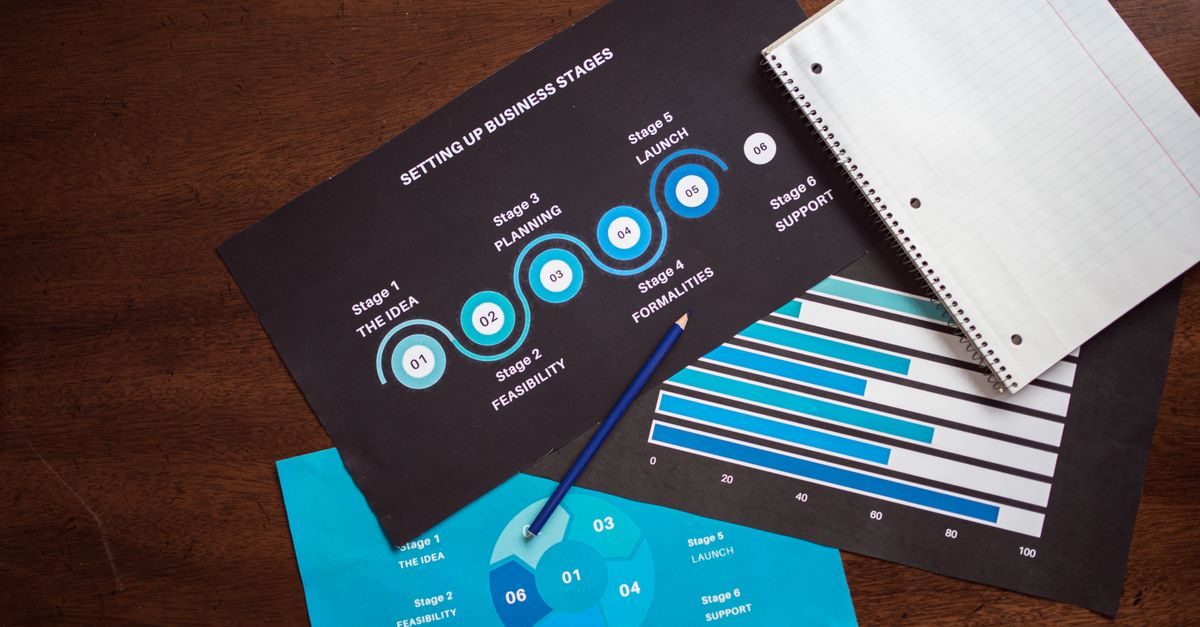
A leaderboard, in the context of digital marketing and gamification, is a visual ranking system that displays the performance or achievements of individuals or entities in a competitive environment. This tool is widely used to motivate teams or users by providing transparent and real-time comparisons of key metrics such as sales figures, engagement scores, or campaign performance. By highlighting top performers, leaderboards create a competitive atmosphere that can drive productivity and continuous improvement.
In digital advertising, a leaderboard also refers to a standard ad format that typically appears at the top of a webpage. This high-visibility banner is designed to capture user attention and drive engagement through bold visuals and clear messaging. Whether used for competitive ranking or as an advertising format, the concept of a leaderboard centers on clear, measurable performance indicators that reward excellence and drive user interaction.
Beyond marketing, leaderboards are an effective tool in organizational settings to recognize and incentivize employee achievements. They can be integrated into performance management systems to foster healthy competition, encourage collaboration, and ultimately improve overall business outcomes. By providing a transparent snapshot of performance, leaderboards help align individual efforts with broader strategic goals, contributing to a culture of accountability and continuous growth.
Leaderboard Functionality in Digital Marketing and Gamification
Take a concrete case: a regional online retailer launches a loyalty campaign, adding a public leaderboard for their top customers based on points earned from purchases and social shares. With 6,000 participants visible each month, customer activity increases as users strive to climb the rankings. This competitive element not only boosts individual engagement, but also encourages casual browsers to return more often and interact further with the brand’s offerings.
Leaderboards tap into people’s natural desire for recognition and achievement. When customers can see their position compared to others, it can stimulate continued interaction and even nudge them to complete specific actions—like writing reviews or referring friends—just to rise up a notch. Over time, users who see consistent progress feel more invested, translating into enhanced brand loyalty and more frequent repeat business.
However, for leaderboards to function as intended, they must strike the right balance: reward genuine engagement, avoid discouraging those near the bottom, and prevent manipulation. Regularly refreshing or segmenting results can help keep them relevant and inclusive, fostering a welcoming competition.
- Drives return visits as users monitor their ranking
- Encourages social sharing for extra points or rewards
- Supports clear goal-setting by making progress visible
- Amplifies word-of-mouth with referral mechanics
- Fosters loyalty by rewarding regular positive actions
- Keeps marketing campaigns fresh with regular updates
- Engages multiple user segments by offering tiered recognition
Leaderboard Ad Format in Digital Advertising
Look at the numbers: a local e-commerce site attracting roughly 7,200 monthly sessions can maximise visibility by placing leaderboard ads at the top of high-traffic pages. These horizontal banners, typically sized 728×90 pixels, are positioned above main content where users’ eyes naturally start. As a result, leaderboard placements are among the first messages a site visitor sees, greatly enhancing brand recall and the likelihood of click-through compared to other formats that appear lower down or require scrolling.
The high impact of these ads stems not just from their prime location but also from their broad, eye-catching shape. This accommodates bold headlines and compelling visuals, making them ideal for conveying key offers or branding in a single glance. However, to avoid banner blindness, it’s crucial to refresh creative regularly and ensure that messaging aligns with users’ expectations as they land on each page.
- Best visibility due to top-of-page placement
- Supports strong initial brand impressions
- Large, horizontal canvas allows creative flexibility
- More likely to catch attention than smaller ad units
- Effective for both desktop and tablet users
- Suitable for announcing special offers or new products
Use of Leaderboards in Organisational Performance Management
Organisations use leaderboards to publicly and accurately display individual and team performance across key business tasks or sales targets. By visualising such data, companies create an environment where progress is clear and achievements are visible. Transparent tracking helps identify top performers while also signalling where further support or development might be required. Many businesses find that real-time updates posted on an internal dashboard or in a shared workspace increase the sense of engagement, as employees can actively monitor their standing at any point.
To illustrate, imagine a team of 14 employees in a customer support centre handling an average of 8,400 support tickets every month. A leaderboard ranks staff by tickets resolved, customer satisfaction ratings, and response speed. Over a typical period, leaders might process 900 tickets, while newer staff handle around 400. This encourages those at the lower end to match their colleagues’ results and can lead to visible improvements in overall team metrics by the end of the month.
While healthy competition is generally positive, it is vital that organisations ensure fair measurement criteria. Metrics should focus on quality as well as quantity to avoid negative behaviours. Publicly posting rankings can motivate, but it also carries the risk of discouraging those persistently near the bottom. Regularly reviewing the system and inviting feedback will help maintain morale and fairness.
- Boosts employee motivation and engagement through visible recognition
- Identifies high achievers and those requiring extra support
- Promotes fair competition when criteria are clear and balanced
- Must be regularly reviewed to avoid demotivation for low performers
- Works best when linked with quality as well as quantity-driven targets
Common Pitfalls and Best Practices for Leaderboards
Run the maths on this: Suppose an organisation launches a leaderboard system to boost monthly productivity across a team of 9,600 sessions (derived from team members or outputs in a five-month period). If the leaderboard only recognises the top 5%—around 480 participants—enthusiasm in the remaining 9,120 can quickly drop, making the metric counterproductive and damaging morale. Over time, this disengagement can erode user trust and lead to lower overall performance rather than the intended competitive uplift.
One key pitfall is failing to define clear, fair criteria for ranking. If users perceive the ranking system as biased or obscure, they may become frustrated or disengaged. Another trap is updating rankings too infrequently; stale data removes the sense of immediate achievement, while overly frequent or confusing updates can lead to information overload. Ensure all participants have realistic opportunities to climb the ranks, or risk discouraging those at the lower end.
- Set clear and transparent scoring rules from day one
- Consider rewarding improvements and effort, not just top positions
- Regularly review leaderboard impact on team morale and behaviour
- Design the system so most users can see achievable goals
- Validate data sources and calculations to prevent perceived unfairness
Leaderboard Metrics and Tracking Methods
Here is a simple example: imagine a business analysing 9,000 monthly leaderboard sessions to gauge campaign engagement. They compare metrics such as user rank, time spent on the leaderboard, and the number of actions completed during each session. By examining these figures, they identify which users are consistently active and which leaderboard features drive the most participation. Tracking these metrics alongside session-based behaviour makes it easier to recognise which approaches deliver sustained interaction and to adapt future campaigns accordingly.
It is crucial to select the right tracking methods for your leaderboard. While basic page views and ranks seem useful, they might miss deeper insights, such as user progression over time or how changes in leaderboard layout influence activity. Over-focusing on a single metric—like top scores—may also crowd out valuable patterns in broader user engagement. A balanced combination of ranking data, session analytics, and action-based metrics provides a fuller, more accurate view of performance.
| Metric or Method | What to check | Risk or note |
|---|---|---|
| User rank over time | Consistency and improvement trends | Can obscure new user progress |
| Total sessions tracked | Frequency of engagement | May count brief, low-interest visits |
| Completed actions per user | Quality of participation | Requires clear definition of “action” |
| Dwell time per session | User immersion level | Skewed by idle users |
- Track both overall usage and meaningful actions for genuine insight
- Look for long-term engagement trends, not just instant spikes
- Set clear definitions for participation metrics to avoid ambiguity
- Regularly review metrics to spot changing user patterns
- Combine quantitative and qualitative insights for best results
