
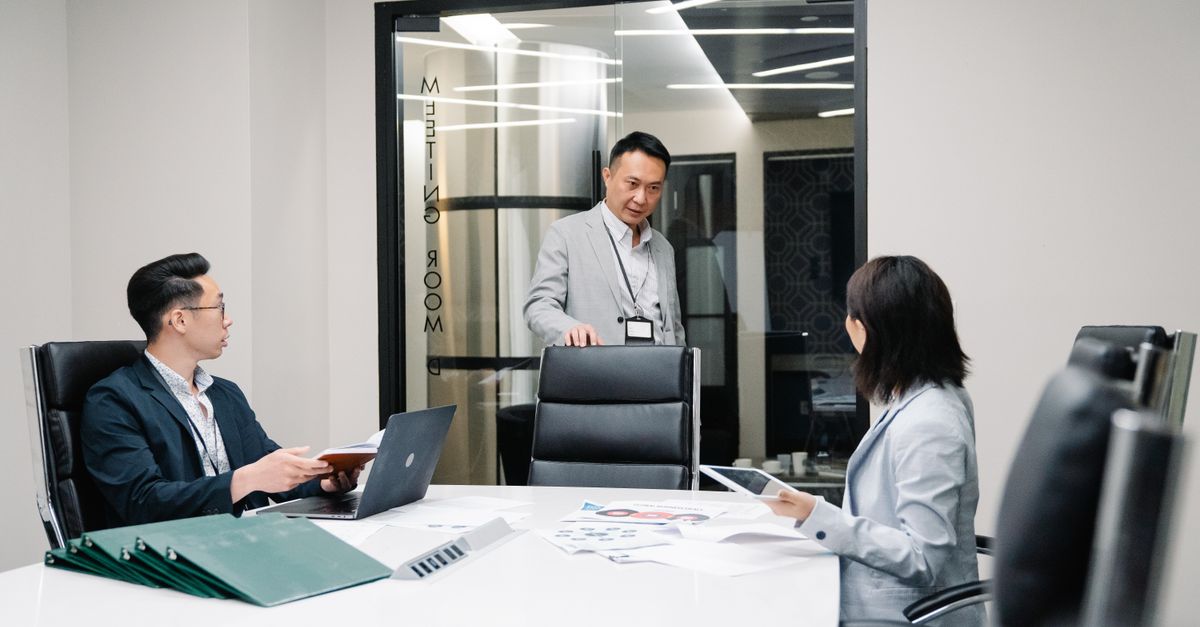
Managing upwards is the proactive practice of effectively communicating with and influencing one’s superiors to align expectations, priorities, and goals. It involves understanding the objectives and communication styles of senior management and using that insight to provide constructive feedback, share progress updates, and suggest improvements. By effectively managing upwards, employees can build strong relationships with their leaders and ensure that their contributions are recognized and valued.
This practice goes beyond merely reporting tasks—it includes anticipating the needs of higher-ups and presenting ideas in a manner that aligns with broader organizational goals. It often involves strategic problem-solving and the ability to communicate challenges and opportunities with clarity and confidence. By engaging in regular dialogue, employees can foster mutual trust and demonstrate their commitment to the success of the team and organization.
Ultimately, managing upwards is an essential skill in today’s dynamic work environment. It not only enhances personal career growth by ensuring that one’s efforts are visible and appreciated but also contributes to a more efficient and responsive organizational culture. By bridging the communication gap between staff and management, managing upwards leads to better decision-making, a more collaborative workplace, and a stronger overall performance.
👉 See the definition in Polish: Managing Upwards: Wpływanie na przełożonych w organizacji