
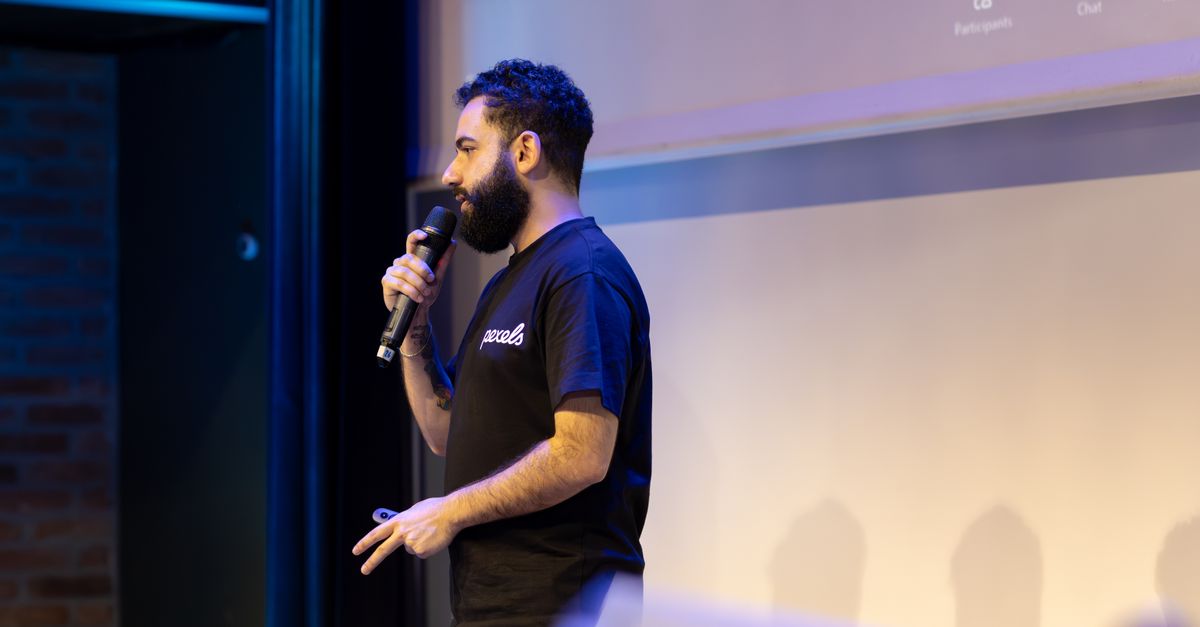
One-to-Many refers to a communication and marketing approach where a single message is broadcast to a large audience simultaneously. This model is commonly used in mass media, email campaigns, webinars, and social media posts, where one sender or source delivers content to numerous recipients at once. The primary objective is to disseminate information widely and efficiently without tailoring the message to each individual.
The one-to-many approach is particularly effective for raising awareness, promoting a brand, or launching a new product. By leveraging channels with broad reach, organizations can maximize exposure and drive engagement at scale. However, while this strategy offers extensive coverage, it may lack the personalization of more targeted communication methods. This is why it’s often combined with other approaches to ensure comprehensive audience engagement.
Moreover, one-to-many communication helps establish a unified brand voice and ensures consistent messaging across diverse platforms. It allows companies to control their narrative and deliver clear, cohesive messages that resonate with a broad consumer base. As digital technologies evolve, this approach remains fundamental to both traditional and modern marketing strategies, providing an efficient way to reach large audiences quickly.
Key Features of One-to-Many Communication
Take a concrete case: a local events organiser sends an announcement about a city festival to a mailing list of 6,000 subscribers at once. Every message reaches all recipients with identical content, ensuring consistency and broad awareness. The organiser must carefully design the message to be clear, relevant, and engaging for a varied audience, as personalisation is limited. Reaching many people at the same time maximises visibility but risks missing individual interests or unique questions.
Another key aspect of this approach is efficiency. One-to-many communication allows businesses to inform or persuade a large group, often through email, radio, or social posts, without repeating the effort for each recipient. However, the challenge lies in crafting a message that resonates with enough people to prompt action, even when individual feedback is minimal or delayed.
- The message is standardised and sent to everyone in the target group
- Delivery methods include email blasts, social media, and print advertisements
- Personalisation is limited compared to one-to-one communication
- Fast way to reach many people and generate awareness quickly
- Success depends on clarity and broad relevance of the message
- Direct feedback from individuals is uncommon or indirect
Advantages and Limitations
Look at the numbers: a Galway-based e-commerce business sends a promotional email to its subscriber list of 7,200 contacts in a single campaign. The one-to-many approach lets them deliver a consistent message instantly, reaching thousands with the click of a button. This mass communication can spark widespread brand awareness quickly and cost-effectively, especially if you need to introduce a new product or promote a limited-time offer.
However, one-to-many communication can dilute personalisation. Not every subscriber will find the message relevant, which can lead to lower engagement rates or even unsubscribes if people feel the content does not speak to their interests. Also, feedback is often indirect or delayed—typically measured by aggregate metrics such as open rates and click-throughs—making it harder to gauge individual responses. Businesses must balance the ease and impact of broad messaging with the risk of being ignored or filtered out by overwhelmed recipients.
- Reaches a wide audience with minimal incremental effort
- Quick delivery of time-sensitive announcements or promotions
- Ensures message consistency across the whole target group
- Lower cost per recipient compared to highly targeted approaches
- Limited ability to tailor content to individual preferences
- Engagement and feedback metrics are less granular or nuanced
- Greater risk of the message being seen as generic or irrelevant
Practical Examples in Marketing
Broad-reach communication plays a vital role in getting messages in front of diverse, sizeable audiences at once. For example, businesses frequently run national outdoor advertising campaigns, placing their displays across multiple key urban sites. This method ensures exposure to tens of thousands of passers-by each day, generating rapid awareness. Large-scale email campaigns are another classic illustration, where a business may send a promotional message to a database of 10,500 contacts in one go, aiming for immediate engagement and conversions. Broadcast advertising, whether via radio or regional TV, also boasts substantial audience figures and is often used to launch a new product across an entire market.
Careful segmentation and message tailoring are crucial, however, as one-to-many approaches can sometimes fail to resonate if the content feels too generic or irrelevant. It’s important to check that the communication method aligns with the intended audience’s habits and preferences—too much untargeted communication risks wasted spend and lower campaign performance.
- Outdoor posters placed in high-footfall locations to boost event attendance
- Mass emails announcing sales or special offers to a customer database
- Primetime local radio ads rolling out a seasonal product launch
- Shared social media posts that aim to reach wide, non-specific audiences
- Printed leaflets distributed across neighbourhood retail outlets
- TV commercials aired during popular evening programmes
Comparison with One-to-One and Many-to-Many Models
Run the maths on this: imagine you have a quarterly newsletter with 8,400 subscribers—a typical reach for a mid-sized Irish business, based on the formula. With a single message, you engage thousands at once, maximising reach and consistency of message. Contrast that with a one-to-one model: if the same business sent personalised emails, the resources required to tailor 8,400 individual messages would be significant, but these might prompt higher levels of engagement and more meaningful responses.
The many-to-many approach is different altogether, with audiences interacting among themselves—think customer forums or social media groups. Here, your message might spark 8,400 conversations, each with unpredictable reach and tone. This model can lead to greater advocacy or stronger community fidelity, but poses challenges in message control. One-to-many is ideal for announcements or brand building, while one-to-one and many-to-many excel at deepening loyalty and encouraging active participation. When picking the right model, consider how much interaction you can manage and the effect you want to achieve.
| Model | Scope | Key Benefit |
|---|---|---|
| One-to-Many | Broad, passive | Scalable, consistent messaging |
| One-to-One | Personal, targeted | High personalisation, deeper trust |
| Many-to-Many | Community-driven | Strong engagement, organic growth |
Frequently Asked Questions about One-to-Many Communication
Here is a simple example: Imagine a local business sends out a general newsletter to a subscriber list of 9,000 people (based on 1200 x (5+4)). The aim is to announce a summer sale. Some recipients might act immediately, while others ignore it. Such broad audience communication works well for raising awareness or sharing information that is not tailored to individual preferences. However, engagement rates tend to be lower compared to more targeted messaging, as not all content will feel relevant.
Broad communication methods can seem cost-effective, but consider their reach versus impact. A single message might land with thousands, but the actual influence on behaviour could be small. The main risk is saturating your list with emails that few find valuable, which can lead to unsubscribes. To mitigate this, regularly check which segments are most engaged and refine your future messaging.
- Often used for announcements, sales, and general updates
- Easier to launch than segmented or highly personalised campaigns
- Essential to monitor open and click rates for ongoing adjustment
- Risk of message fatigue if frequency is too high
- Can boost awareness quickly if the content is timely and broad
- Testing subject lines and content helps refine engagement over time
