
TOFU: Top-of-Funnel marketing strategies overview

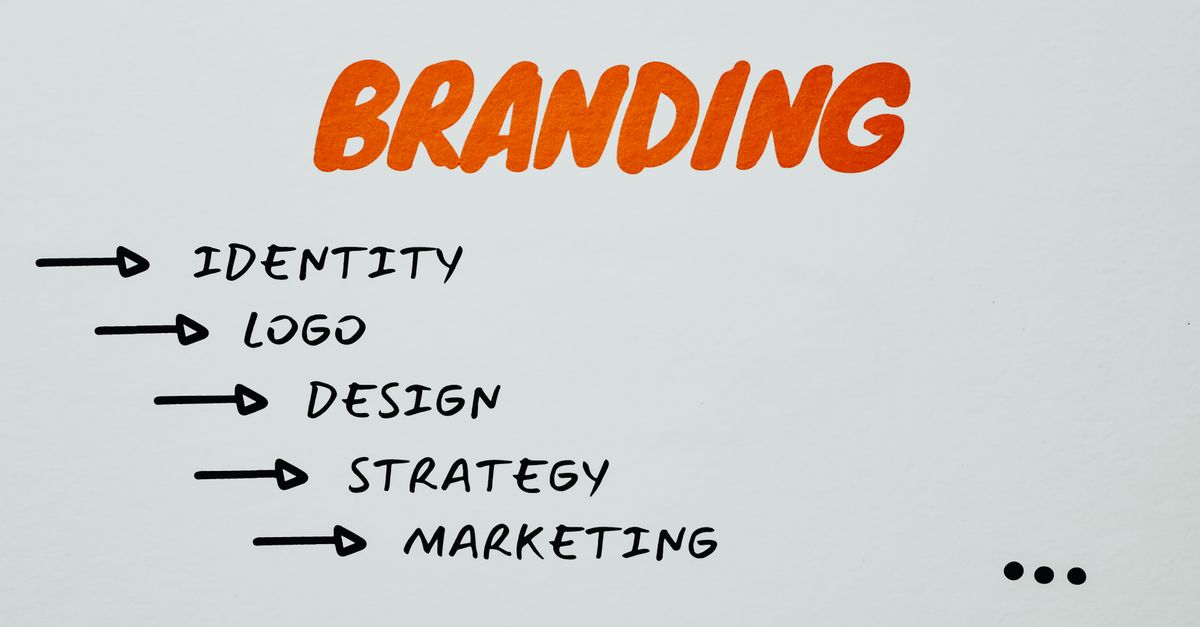
Visual representation of branding, identity, and marketing strategies.

TOFU, short for Top of Funnel, represents the initial stage in the customer journey where potential customers first become aware of a brand or product. At this stage, marketing efforts focus on broad reach, building brand awareness, and attracting a wide audience. The content and messaging at TOFU are designed to capture attention and spark interest without pushing for an immediate sale.

Strategies for TOFU typically include content marketing, social media posts, and advertising campaigns that introduce the brand’s value proposition. The goal is to educate potential customers, address common pain points, and build trust through engaging, informative, and entertaining content. By casting a wide net, TOFU initiatives lay the groundwork for future nurturing as prospects move further down the funnel.

As prospects engage with TOFU content, they become more receptive to personalized messaging and targeted offers. This stage is critical for establishing initial contact and setting the tone for a long-term relationship. Ultimately, TOFU is about generating interest and initiating a dialogue that will eventually lead to conversions in later stages of the funnel.

Core Elements of Top-of-Funnel Marketing Strategies

Take a concrete case: an online Irish gift shop seeks to attract new visitors and builds an early-stage digital campaign, aiming to reach 7,200 website sessions in the first month. To achieve this, the business crafts broad-targeted content such as blog articles, produces video introductions, and leverages social media engagement. Each element serves the same core purpose—to generate awareness and spark interest among people who may never have heard of the shop before. The immediate goal is not a sale, but to make the brand part of their consideration set as they continue their search.

A major risk at this stage is spending too much effort on content or messaging that doesn’t align with the target audience’s interests or search behaviour. If the hook is not strong enough, or if the audience is poorly defined, much of the traffic generated might be untargeted or irrelevant. It is also easy to underestimate the resource requirement for consistent output and monitoring in the early stages.

  • Building brand visibility through valuable, audience-tailored content
  • Using paid and organic tactics to maximise reach
  • Engaging through storytelling and educational resources
  • Focusing on search intent rather than immediate conversion
  • Reinforcing messaging with visuals, videos, and interactive posts
  • Actively measuring and adjusting based on audience response

Effective Content Formats for Top-of-Funnel Marketing

Look at the numbers: a local business aiming to boost brand awareness might generate 7,200 new monthly website sessions by focusing on engaging, top-of-funnel formats. Blog articles, one of the most accessible forms of content, can cover trending topics or answer common questions, drawing in broad audiences searching for information. Videos also offer powerful reach at this stage, capturing attention across social media and websites, and prompting viewers to learn more.

The choice of content format is critical. Over-committing to one type—like lengthy thought leadership pieces—can miss those who prefer quick, visual content. For maximum effect, consider your ideal audience’s behaviour: short, shareable content such as infographics, checklists, and interactive quizzes might gain significant traction when your goal is introducing people to your brand.

  • Blog articles covering popular or trending subjects
  • Short explainer or how-to videos for social sharing
  • Infographics that simplify complex ideas
  • Interactive quizzes or surveys to spark engagement
  • E-books or guides available in exchange for email sign-up
  • Podcasts introducing industry topics or interviews
  • Social media posts with eye-catching visuals or tips

Common Pitfalls and How to Avoid Them

Many businesses rush into top-of-funnel marketing by pushing broad messages without clear audience focus. This often results in wasted budget and low-quality leads. For example, a company targeting 7,000 monthly website visitors may prioritise quantity over relevance, flooding their channels with generic content. The result is high traffic but poor engagement, making it hard to distinguish genuinely interested prospects from casual browsers.

Another frequent mistake is neglecting to measure and refine performance. If you don’t set up proper tracking and review metrics, you risk repeating what isn’t working. Early-funnel campaigns require regular analysis to identify which tactics engage prospects and which fall flat. Relying solely on vanity metrics such as page views or impressions may look good on paper but reveal little about audience intent or content effectiveness.

  • Avoid broad targeting; define your ideal persona before designing content
  • Always install analytics tools before launch to track user behaviour
  • Prioritise content with value, not just promotional messaging
  • Continuously review engagement metrics, not just raw traffic numbers
  • Test different creative formats to find what resonates with your audience
  • Separate interest from intent: don’t treat all visitors as equally qualified

Key Metrics and Measurement in Top-of-Funnel Marketing

Run the maths on this: a hospitality brand in Cork runs a digital awareness campaign, aiming for a monthly reach of 9,600 people (derived from 1,200 x [4+4]). Over a four-month period, that gives a total reach of 38,400. If only 2% engage, that’s roughly 768 people interested enough to interact. Compare this to click-through rates: if the same campaign achieves a 1% CTR, you would see around 384 visitors to the landing page. These initial figures let you benchmark awareness and engagement on the way to more measurable outcomes.

Tracking the right metrics ensures your top-of-funnel activities don’t just create noise but lead to real attention. Key indicators you should compare include impressions, reach, click-through rate (CTR), engagement rate, and share of voice. High reach with a stagnant engagement rate may indicate your content needs refining. If the CTR is particularly low, your message might not be connecting with the intended audience, or your placement isn’t optimal. Patterns across campaigns highlight whether your brand-building efforts are gathering momentum or simply stalling.

MetricWhat to checkRisk or note
ImpressionsHow often content displaysMay be repeated views, not unique users
ReachUnique users exposed to contentHigh reach but low engagement is a warning sign
Engagement RateInteractions per impression/reachDoesn’t guarantee interest beyond first contact
CTRClicks relative to impressionsLow CTR can mean poor creative or weak targeting
Share of VoiceBrand’s visibility vs competitorsNeeds context from industry or local benchmarks

To optimise, avoid vanity metrics. Focus on consistent improvements in engagement and qualified traffic. Reviewing these metrics monthly enables you to pinpoint content or channels worth expanding, and to act fast on those underperforming.

👉 See the definition in Polish: TOFU: Górna część lejka sprzedażowego

Related terms

Browse all terms in our Digital Marketing Glossary

Leave a comment