
Universal App Campaign: Automated campaign for app promotion

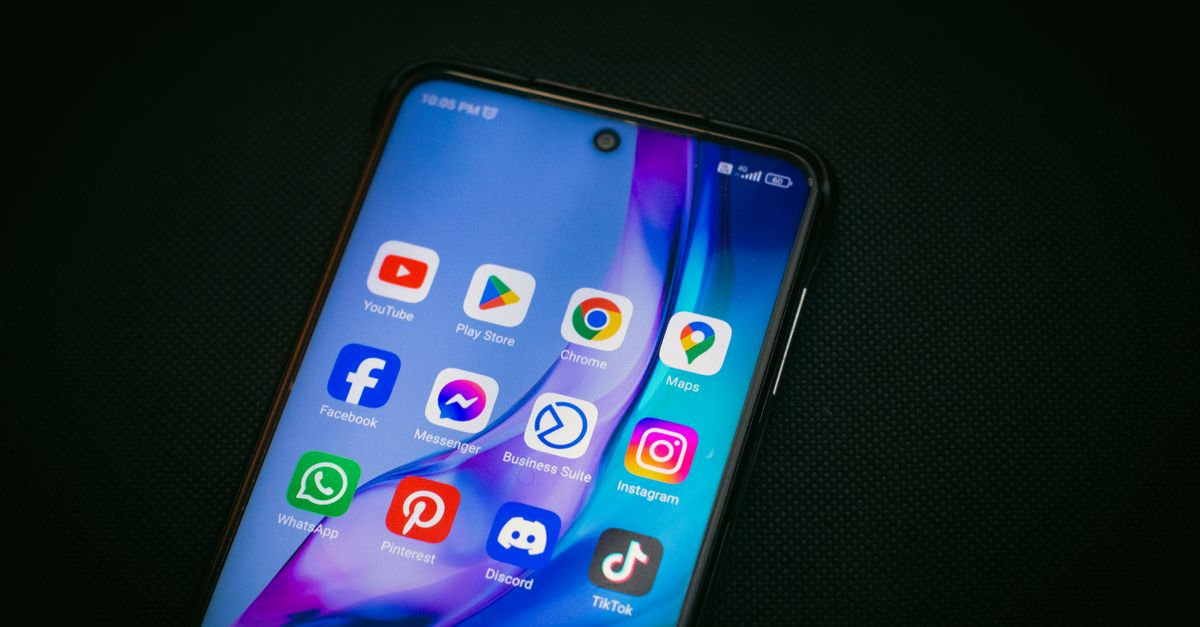
Close-up of a smartphone screen showing popular app icons like YouTube, Maps, and TikTok on a black background.

Universal App Campaigns are a type of advertising initiative created by Google specifically to promote mobile applications across various platforms using a unified, automated approach. This campaign type harnesses the power of machine learning to optimize ad placements, bids, and creative elements in real time, thereby maximizing the efficiency of the campaign. Advertisers need only provide a few pieces of creative input, and the system generates multiple ad variations to target users across Google’s expansive network.

The primary advantage of Universal App Campaigns lies in their ability to simplify the complex process of mobile app promotion. By leveraging Google’s algorithms and extensive reach—including Search, Display, YouTube, and the Google Play Store—these campaigns automatically adjust to target the most relevant audience segments. This automation not only saves time and resources but also ensures that the campaign adapts to changing market conditions and user behaviors, thereby maximizing app installs and engagement.

Furthermore, Universal App Campaigns provide advertisers with robust performance tracking and data insights, which are crucial for optimizing campaign strategies. The detailed analytics help in understanding user acquisition trends, measuring return on investment, and refining targeting parameters over time. As mobile usage continues to dominate digital interactions, Universal App Campaigns offer a scalable and effective solution for developers and marketers seeking to expand their app’s reach and drive sustainable growth.

How Universal App Campaigns Work

Take a concrete case: a Galway-based gaming app developer sets a monthly advertising budget of EUR 2,000 across three months to launch their new app. Once the campaign is created, the automation system asks for core assets: ad text, images, videos, and preferred languages. It then combines these components into multiple ad formats and tests variations automatically across popular search, video, display, and app store channels. The system uses built-in algorithms to analyse user behaviour data, identifying audiences most likely to install or engage with the app.

Targeting is continuously optimised based on performance. As more installs or in-app actions are recorded, the campaign learns which platforms and audience segments deliver better results for the chosen goal—such as driving first-time installs or repeat usage. This makes it possible for even small teams without dedicated digital marketers to achieve wide reach and ongoing improvements without constant manual adjustments. However, app owners need to monitor the conversion data, as automation occasionally prioritises volume over user quality or may underperform in niche app markets.

  • Automation handles placement testing and ad adjustments daily
  • Campaigns promote across major search, social, and display platforms
  • Requires only basic user input on assets and goals
  • Optimisation happens using real-time install and engagement data
  • Saves time for small teams with limited marketing resources
  • Ongoing review of conversion quality remains essential

Key Benefits and Automation Features

Look at the numbers: imagine a small business in Belfast launching a new app and allocating promotion resources to drive 10,800 installs over six months. Rather than manually selecting keywords, placements, and creative, the team relies on automated campaign features, letting the system optimise targeting and ad formats continuously. By automating these time-heavy tasks, the business can focus on monitoring performance and refining overall app strategy. The efficiency gain not only saves staff hours but also helps direct budget towards higher performing audiences.

Key advantages of these campaigns include advanced machine learning, which studies user behaviour across millions of signals—to deliver your ads where they’re most likely to result in downloads or in-app actions. The system adjusts bids, rotates ad variants, and parses real-time results, making ongoing improvements at a pace that manual campaign managers cannot realistically match. However, automation does not mean set-and-forget; regular review and input ensure creative assets and outcomes stay aligned with business goals.

  • Reduces manual setup by automating targeting and bidding
  • Identifies high-performing audiences through machine learning
  • Dynamically optimises ad placements and creative assets
  • Allows quick scaling across search, display, and video channels
  • Continuously refines strategy based on real-time performance data
  • Frees up marketers to focus on app development and user retention
  • Lowers operational workload while increasing promotion effectiveness

Performance Tracking and Metrics

Measuring the impact of an app promotion campaign requires tracking a mix of key metrics that reveal both broad and granular performance. Start with core metrics such as installs, cost per install, and in-app actions like registrations or purchases. By monitoring these data points, marketers can quickly understand where the campaign is gaining traction and where improvements are needed to drive better results.

Digging deeper, attribution plays a critical role—tying actions in the app back to touchpoints in the campaign. For example, a small business investing in app ads should analyse whether a spike in downloads actually translates into active users. It’s common to see 8,400 monthly installs for an active campaign, but only through detailed analysis can you see that half of these users return after a week.

Beware of over-relying on high-level numbers. Installs alone do not indicate true engagement or value. Instead, track events within the app that matter most for your business, such as repeat usage or completed purchases. This helps in calculating true ROI and ensuring marketing spend is allocated to the channels driving proven results.

  • Track installs and cost per install for a clear acquisition snapshot
  • Monitor in-app events, such as account creation or purchases, for real engagement
  • Use cohort analysis to track retention: monitor how many users stay active over time
  • Measure cost per action (CPA) for events beyond simple installation
  • Set up conversion tracking through SDKs or third-party analytics tools
  • Attribute installs and in-app actions to specific ads or audiences
  • Regularly review churn rates to spot drop-off points and optimise campaign strategy

Common Challenges and Optimisation Tips

Run the maths on this: an Irish fintech app invests EUR 6,500 per month into a universal app campaign running over six months, aiming for 8,000 new installs. If campaign settings are left untouched throughout, performance often stagnates after the initial weeks as audiences get saturated and ad fatigue sets in. Regular analysis is therefore vital for uncovering weak points, such as underperforming creative assets or insufficient targeting granularity, which can drag down your cost per install over time.

Common pain points include minimal creative variation, inaccurate audience targeting, and over-reliance on automation without strategic oversight. For example, if all creative assets have similar messaging and appearance, users are less likely to engage after repeated exposure. Another trap is not monitoring install-to-action rates, meaning that clicks or installs are not translating into meaningful app engagement or revenue.

Practical steps include setting up clear conversion tracking to measure valuable user actions, rotating fresh creative assets every fortnight, and manually adjusting location or demographic settings if results in certain segments lag behind. Evaluating the campaign after the first and third months, rather than sticking with a set-and-forget approach, improves adaptability and ROI.

  • Refresh ad creatives at least every two weeks to reduce user fatigue
  • Segment audiences by geography or interests to identify top-performing groups
  • Monitor conversion rates, not just install numbers, for real engagement insights
  • Allocate more budget to assets or channels with better recent results
  • Adjust bidding strategies if cost per install rises for two weeks in a row
  • Review in-app event tracking setup to ensure quality data
  • Set reminders for mid-campaign performance reviews and adjustments

Universal App Campaigns versus Traditional Promotion Methods

Here is a simple example: an Irish SME is aiming to promote a new app with a budget of EUR 8,000 over a period of seven months. With a traditional approach, this might mean dividing the funds between social media promotions, influencer partnerships, local press ads, and perhaps some printed material. Each channel requires manual management, creative adaptation, and ongoing communication, often involving multiple team members or agencies. By contrast, an automated app campaign allows the business to set key goals and creative assets, then the system optimises placements and bidding automatically across digital channels.

Comparing the effort required, automated campaigns can save significant time. Instead of juggling relationships with several media outlets and manually reporting on each channel, the business receives unified, actionable analytics. This tends to translate to greater efficiency, faster optimisation, and potentially better results per euro spent. Still, hands-off automation relies on accurate goal-setting and making the most of available creative assets. It’s essential to monitor early performance and adjust campaign inputs where required to avoid underperformance.

MethodResource RequirementsEffectiveness/Risk
Automated App CampaignFewer staff, centralised setupQuick learning, depends on input
Traditional PromotionMore staff, varied expertise neededSlower iteration, less data-led

A key piece of advice is to evaluate internal resources honestly—automated solutions can free up time for businesses with modest marketing teams, but establishing a clear brief and regularly reviewing results is critical to avoid waste.

👉 See the definition in Polish: Universal App Campaign: Kampania promocji aplikacji mobilnych

Related terms

Browse all terms in our Digital Marketing Glossary

Leave a comment