
Value Chain: Sequence of activities adding product value

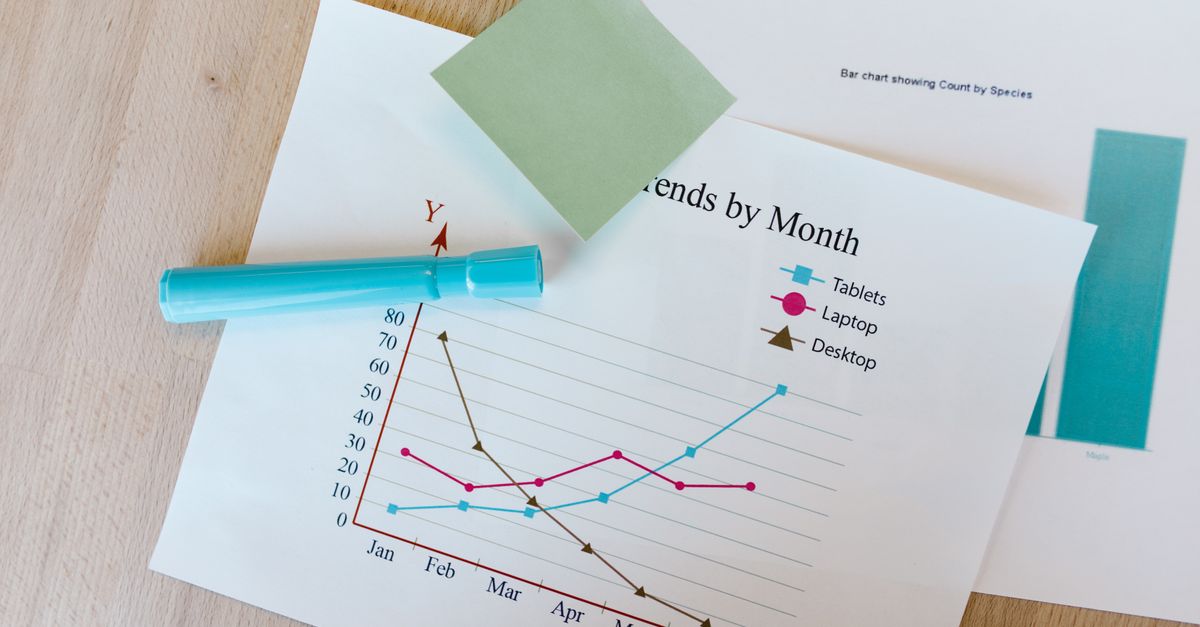
Desk with colorful graphs, sticky notes, and a marker, perfect for data analysis themes.

The Value Chain is a strategic concept that outlines the complete sequence of activities involved in creating and delivering a product or service, from sourcing raw materials to post-sale customer support. Developed by Michael Porter, this framework divides business operations into primary and support activities that collectively enhance value at each production stage. It offers valuable insights into how companies can establish competitive advantage through operational efficiency and well-informed strategic choices.

Primary activities within the value chain encompass inbound logistics, operations, outbound logistics, marketing and sales, and customer service. These interconnected stages ensure the final product or service meets customer expectations while maintaining cost-effectiveness. Support activities—including procurement, technology development, human resource management, and company infrastructure—work synergistically to optimize the performance of primary functions.

A thorough understanding of the value chain enables organizations to pinpoint opportunities for process improvement, cost reduction, and competitive differentiation. This analytical tool proves particularly valuable in strategic planning, helping businesses concentrate on high-value activities that strengthen their market position.

Primary and Support Activities in the Value Chain

Take a concrete case: a local food producer is preparing ready meals. Their primary activities might include sourcing ingredients, transforming those into finished dishes, distributing to retailers, marketing the products, and providing after-sales customer care. Support activities, by contrast, cover background functions such as procurement of equipment, managing staff, maintaining IT systems, and handling administrative tasks. Each of these has a distinct but interlinked role in enhancing the finished product’s value.

Primary activities deal directly with the creation, sale, and servicing of products or services. They are the sequence of steps needed to deliver an item to the end user. Support activities underpin these processes, improving their efficiency or reliability. For example, skilled HR ensures staff remain motivated and productive, while a robust IT system helps manage inventory more effectively. The true value lies in the synergy between the two layers: efficient support activities can lower costs or raise quality, giving the business a competitive edge.

  • Primary activities include inbound logistics, operations, outbound logistics, marketing & sales, and service
  • Support activities cover procurement, technology development, human resource management, and firm infrastructure
  • Primary activities are the most visible to customers, directly affecting satisfaction
  • Support activities boost efficiency, lower risk, and enable scale across all primary processes
  • Strength in support activities often leads to smoother, more resilient primary activity flows
  • An imbalance—over-investing in one while neglecting the other—can reduce overall value creation

Strategic Use for Competitive Advantage

Look at the numbers: a local manufacturer with 3,500 monthly sessions on its online portal can analyse these interactions to pinpoint which stages of its value chain offer opportunities for differentiation. By boosting customer responsiveness at the support stage and improving supply coordination, the business not only increases customer loyalty but also reduces operational delays, turning process improvements into genuine competitive levers. Within three months, such a shift in focus could manifest as measurable improvements to both user satisfaction and cost management.

A key risk here is copying rivals too closely, rather than playing to unique strengths within the value chain. Firms must identify which activities—be they procurement, production, or after-sales service—can be enhanced or combined in a distinctive way that competitors find hard to replicate. Resource misallocation is another pitfall; over-investing in areas with limited impact can drain funds better spent elsewhere.

  • Regularly map and review all key value chain activities
  • Quantify the potential impact of improvement projects before investment
  • Use data from touchpoints like website sessions to inform decisions
  • Focus on distinctive improvements, not just best practice benchmarks
  • Monitor market feedback closely to refine strategic priorities
  • Be wary of incremental changes that do not create lasting differentiation

Value Chain Analysis in Practice

Begin by mapping out each stage of your organisation’s value chain, from sourcing materials to delivering the end product or service. Identify all the primary and supporting activities, clarifying the resources, dependencies and costs connected to each step. Involve relevant team members from logistics, production, marketing and customer service to build an accurate picture. This initial mapping forms the backbone for deeper analysis, helping uncover areas where resources are not utilised efficiently or processes overlap.

Review each activity to spot inefficiencies, duplication or unnecessary complexity. For example, if your team processes 8,400 customer service queries per month, consider whether automation, self-service resources or training can help manage this volume more effectively. Use performance data, customer feedback and input from staff to inform changes, then pilot improvements and measure the impact on both costs and customer satisfaction.

  • Interview staff from every department involved in key activities
  • Collect accurate data on process times and resource consumption
  • Compare cost, quality or speed across similar activities internally
  • Look for gaps, overlap or delays between stages in the value chain
  • Prioritise improvements by potential gain versus implementation effort
  • Monitor results and refine the process over time

Common Challenges and Pitfalls

Run the maths on this: a UK-based wholesaler invests in a value chain upgrade to enhance both sourcing and delivery, planning to distribute an additional 9,600 units each month across their network. While the ambition is solid, actual execution reveals bottlenecks in supplier communication and mismatched logistics capabilities. The result is slow reactiveness and frustrated retailers—an unintended consequence of not aligning every stage of the chain. This illustrates how failing to coordinate activities across all links can negate investments and erode trust.

Underestimating the dependence between stages is a frequent pitfall. Disparate software platforms, conflicting incentives, or unclear ownership can stall progress and blunt any competitive edge. Another key obstacle is resistance to process change among staff or partners, which can arise from a lack of training or inadequate communication. Focusing only on cost-cutting, without attention to the value delivered to the end customer, might bring short-term savings but may damage reputation and long-term results.

  • Skipping in-depth mapping of current processes before change
  • Not involving frontline teams early when redesigning workflows
  • Prioritising savings over customer experience or quality
  • Overlooking the need for system or data compatibility between chain stages
  • Ignoring small inefficiencies that ripple out as volumes grow
  • Failing to plan for staff training and support during transitions

Comparison with Supply Chain Management

Here is a simple example: imagine a local food producer handling 9,000 monthly shipments as part of their business model. Their supply chain management focuses on sourcing, logistics, and inventory to ensure products reach shelves efficiently. The value chain, on the other hand, examines each step in the process—not just physical movement, but also marketing, service, and after-sales support to increase product appeal and profit margins. This distinction highlights that, although linked, each concept brings different priorities to the table.

Both value chain and supply chain management aim to create smoother operations and drive profitability. However, the supply chain is typically more operational, concentrating on material flow and cost control. The value chain puts emphasis on activities like customer service and branding, which collectively increase perceived value for the customer. Overlaps exist, such as quality control and timely delivery, but their focus and responsibilities vary.

AreaValue Chain FocusSupply Chain Management Focus
ObjectiveAdd customer value, differentiationEfficient product flow, cost
Main ActivitiesSales, marketing, service, supportProcurement, logistics, storage
End-to-EndCovers customer feedback, innovationFrom supplier to warehouse
Key MetricMargin increase, brand perceptionDelivery time, cost savings

A common pitfall is treating the two concepts as interchangeable and relying solely on efficiency improvements. To truly optimise, businesses should ask if each activity in their process adds value for the customer, not just if it saves money.

👉 See the definition in Polish: Value Chain: Łańcuch wartości przedsiębiorstwa

Related terms

Browse all terms in our Digital Marketing Glossary

Leave a comment