
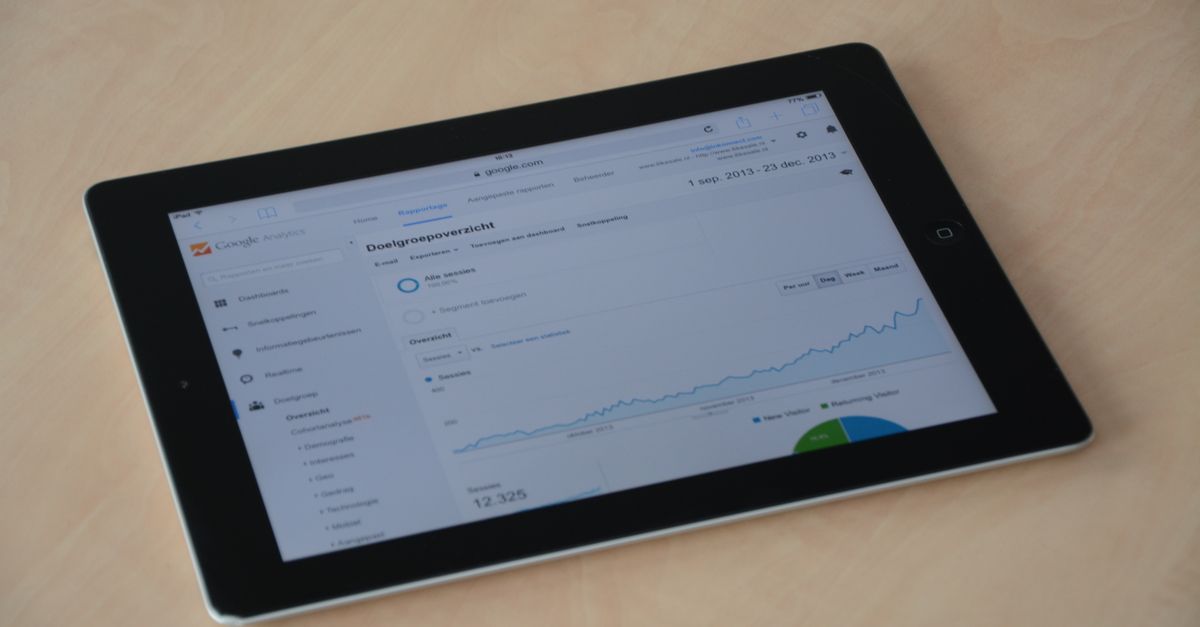
An ad platform is a technology solution that enables businesses to create, manage, and optimize digital advertising campaigns. These platforms provide a centralized interface for targeting audiences, setting budgets, and tracking performance across multiple channels such as search engines, social media, and display networks. Designed to simplify the complexities of digital marketing, ad platforms automate various processes while delivering real-time analytics.
By leveraging an ad platform, marketers can execute data-driven campaigns that optimize ad spend and maximize return on investment (ROI). The integration of advanced algorithms and machine learning techniques helps predict user behavior and refine targeting strategies. This results in more effective ad delivery, improved engagement rates, and ultimately, better campaign outcomes.
Core Features of Advertising Platforms
Take a concrete case: an Irish business allocates 2,000 EUR per month over three months to promote a new product. Using an advertising platform, their team can set clear targeting for local audiences, schedule ads to run at optimal times, and monitor how each creative performs day-to-day. Before the three-month period ends, automatic performance alerts highlight underperforming ads, prompting the marketers to shift more budget towards those delivering better results. This flexible management helps ensure the overall campaign remains on track to achieve its reach and engagement goals.
When assessing platforms, businesses should look beyond flashy dashboards. Key functionality such as real-time analytics, A/B testing tools, and integrated budget management are crucial for ongoing optimisation. Platforms that lack transparent reporting or limit access to targeting parameters may hamper your ability to improve results. Always test the reporting and automation features to ensure they match your marketing objectives and skill levels, avoiding unwelcome surprises mid-campaign.
- Audience targeting by demographics, interests, or behaviour
- Multi-channel ad scheduling and calendar management
- Creative asset storage and reusability for streamlined workflow
- Budget allocation and cost monitoring with alerts
- Real-time analytics dashboards for instant campaign feedback
- A/B testing capabilities to identify best-performing ads
- Automated rules to optimise bidding or pause weak ads
Benefits of Using Advertising Platforms for Marketers
Look at the numbers: a small travel agency based in Galway decides to allocate €3,500 each month to online advertising over a 4-month period. By using a digital ad platform, they are able to segment their audience by location, age, interests, and seasonal intent—resulting in much more precise targeting. Over those 4 months, their click-through rates rise, and bookings increase by 20% compared to their previous campaigns run without an integrated platform. These results highlight how improved targeting and streamlined campaign management can translate into meaningful business outcomes.
One of the major advantages of advertising platforms is the automation of time-consuming tasks. Features such as bulk editing, automated bid adjustments, and scheduled reporting allow campaign managers to focus on strategy instead of manual operations. This reduction in workload is particularly valuable for small teams with limited resources. However, it is still vital to monitor automated decisions, as overreliance on platform settings without review can lead to suboptimal spending or misaligned messaging.
- Advanced targeting options for reaching the most relevant audiences
- Automation tools save time on repetitive campaign management tasks
- Built-in analytics make it easier to measure campaign performance
- A/B testing functions help optimise creatives and messaging quickly
- Centralised dashboards enable efficient monitoring across several channels
- Flexible budgeting tools enhance control over spend and allocation
- Easier integration with other digital marketing tools and platforms
Integration of Artificial Intelligence and Machine Learning
AI and machine learning are embedded in many advertising platforms to fine-tune how and where ads appear. These technologies constantly analyse huge volumes of live and historical campaign data, automatically identifying which audiences, times, and placements yield the highest engagement and conversions. Algorithms adapt in real time, shifting bids or creative content to prioritise combinations that deliver better results. This allows small and medium businesses to maximise their impact with less manual intervention.
Campaign automation is now central to driving efficiencies. AI handles much of the ongoing decision-making which marketers previously managed by hand. For example, if a Cork café runs a local awareness campaign targeting 10,500 potential customers in June, AI models can micromanage which ad variants each viewer sees at different times of day, responding to up-to-the-minute behaviour data. Over 4 weeks, this automation can increase reach and click-through rates without increasing the original budget, simply by reallocating spend toward what is proven to work.
Of course, this technology is not without challenges. AI systems rely on input data quality and can be thrown off by poor conversion tracking or outdated audience lists. It’s important for businesses to regularly review their data feeds, track key outcomes, and spot-check if campaign changes align with business goals.
- Machine learning predicts which users are most likely to respond to ads
- AI optimises bids to balance budget and reach automatically
- Real-time analytics enable platforms to adapt ad delivery instantly
- Automation lets marketers focus on strategy instead of daily adjustments
- Continuous self-learning improves campaign results over time
- Risks include over-reliance on black-box systems and quality of input data
- Businesses should monitor and adjust key settings regularly
Measurement and Key Performance Metrics
Run the maths on this: an online retailer spends EUR 5,500 per month on digital ads for a 6-month campaign, totalling EUR 33,000. Over those six months, their ads generate 120,000 clicks, with 2,700 sales resulting in EUR 81,000 in revenue. Calculating Cost Per Click (CPC), you divide the total spend by clicks—EUR 33,000 / 120,000—coming to around 28 cent per click. For Cost Per Acquisition (CPA), divide the same spend by the number of conversions: EUR 33,000 / 2,700, or roughly EUR 12 per sale. Their Return on Ad Spend (ROAS) is calculated as EUR 81,000 / EUR 33,000, which equals 2.45. This tells the retailer that for every euro spent, they earn back EUR 2.45—a useful benchmark for campaign performance.
While focusing on conversions and returns, other indicators should not be neglected. Click-through Rate (CTR) highlights message resonance, while Conversion Rate measures ad-to-action effectiveness. A low CTR may suggest the need for eye-catching creatives or improved targeting, whereas a disappointing Conversion Rate might signal problems with landing page quality. Regular analysis of these figures keeps budgets optimised and allows swift corrective action before wasted spend snowballs.
| Metric | What it means | What to check |
|---|---|---|
| Click-through Rate (CTR) | Ad relevance/engagement | Low CTR may mean poor targeting |
| Conversion Rate | Campaign effectiveness | Check landing page quality |
| Cost Per Click (CPC) | Traffic cost | High CPC can erode ROI quickly |
| Cost Per Acquisition (CPA) | Cost to win a customer | Rising CPA can signal inefficiency |
| Return on Ad Spend (ROAS) | Revenue per euro spent | Low ROAS means unprofitable ads |
Revisit and benchmark your main metrics regularly, comparing against past performance and industry averages. Don’t settle for one strong indicator—monitor several to get a rounded picture, and remember that improving one metric can sometimes hurt another. Aim for balanced, sustainable gains to support long-term business health.
Common Challenges and Pitfalls in Advertising Platform Management
Here is a simple example: suppose a growing food delivery business allocates EUR 8,000 a month for paid digital ads over the course of seven months. If basic conversion tracking is not configured from the outset, this spend could be directed toward underperforming audiences or generic placements without the team realising where the budget is leaking. At the end of the period, the business may discover that large segments of the budget produced minimal sales growth, simply due to inaccurate reporting or overlooking audience settings.
Campaign mismanagement can stem from inexperience or from juggling multiple platforms simultaneously. With several active campaigns and creative variations in play, it’s easy for marketers to lose oversight and miss issues like budget overspends, ad disapprovals, or copy errors. Even small mistakes—such as targeting the wrong location or neglecting to update exclusion lists—can scale into costly problems if not caught early. Consistent review and documentation play a key role in staying ahead of these pitfalls.
- Overlooking tracking and analytics configuration from day one
- Failing to set clear objectives and key performance indicators for each campaign
- Neglecting regular account audits and campaign optimisation checks
- Overcomplicating account structure with unnecessary ad sets or targeting layers
- Not capping budgets or daily spend, risking accidental overspend
- Allowing outdated creatives to run, reducing relevance and ad quality
- Ignoring alert emails or platform notices about policy or ad status