
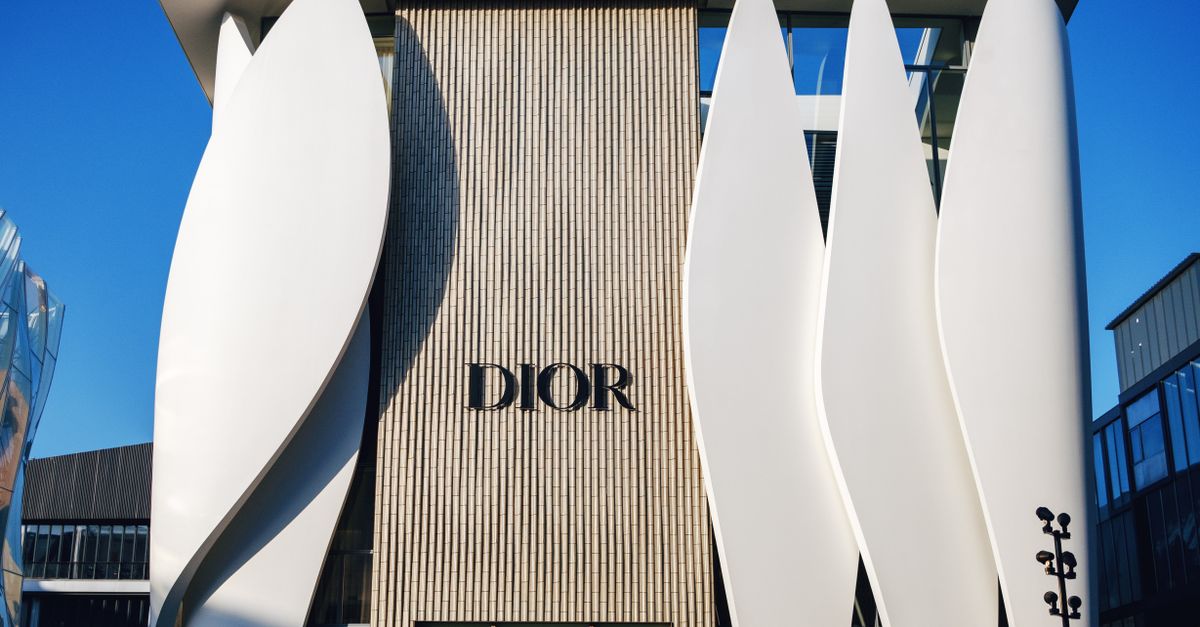
Brand prestige refers to the high level of respect, admiration, and esteem that a brand commands within its market. It is often associated with quality, exclusivity, and a strong heritage, typically built over years of consistent performance and strategic brand management. Prestigious brands are seen as symbols of success and reliability, often commanding premium pricing and fostering deep customer loyalty.
Achieving brand prestige involves more than just offering high-quality products or services; it requires a holistic approach to branding that encompasses exceptional customer experiences, innovative design, and a compelling brand narrative. Marketers invest in both tangible and intangible elements—such as superior craftsmanship, heritage, and exclusivity—to create an aura of prestige around the brand. This not only elevates consumer perceptions but also differentiates the brand in a competitive landscape.
The benefits of brand prestige extend to enhanced market positioning and long-term financial performance. Prestigious brands enjoy a competitive advantage by attracting affluent customers and garnering significant media attention. As a result, brand prestige becomes a powerful asset that drives higher profit margins, reinforces consumer trust, and contributes to the overall sustainability of the business.
Key Elements of Brand Prestige
Take a concrete case: a local jeweller in Belfast serves 6,000 clients each month who seek premium products, with demand driven by more than just quality. What truly sets them apart is how each factor intertwines—from meticulous craftsmanship to a sense of connection for their customers. Exclusivity matters as much as recognisable excellence or heritage, so it’s not enough to offer high-end goods; the entire brand experience must reinforce the perception of luxury at all touchpoints.
A common pitfall is overextension—mass-producing limited-edition items, for instance, may quickly erode perceived exclusivity, causing loyal customers to look elsewhere. Small businesses should therefore invest carefully in brand-building actions that foster uniqueness, such as tailored experiences, distinct visual branding, and transparent sourcing. Authenticity supports long-term prestige more than any superficial marketing claim.
- Uncompromising product quality backed by skilled craftsmanship
- Carefully controlled distribution to preserve exclusivity
- Strong, consistent visual identity and messaging
- Heritage, history, or unique origin story communicated openly
- High-profile partnerships or endorsements by respected figures
- Personalised customer service that exceeds expectation
- Consistency across all brand touchpoints, from packaging to after-sales
Building and Maintaining Brand Prestige
Look at the numbers: An Irish luxury goods company invests steadily in elevating its image, allocating resource to brand storytelling and premium service. If they focus on engaging 7,200 audience members monthly (using the formula: 1200 x [section index + 4]), the company can observe not only growing recognition but also more positive associations surrounding their products. Over the course of several months, the effort translates into higher perceived value and trust, crucial for maintaining an aura of exclusivity. This consistent approach helps sidestep the common pitfall of prestige dilution that can happen when messaging is inconsistent or shortcuts are taken.
A strong prestige brand requires careful control of every touchpoint. Businesses must ensure their messaging, customer service, packaging, and even after-sales engagement reflect the desired image. Short-term tactics like heavy discounting can erode perceived quality, which is tough to regain and may affect long-term trust. Choosing long-term loyalty over quick wins positions the brand for lasting influence and higher margins. Evaluating customer feedback for recurring themes allows for refinement and signals a commitment to excellence, which customers expect from a premium brand.
- Develop a consistent and compelling brand narrative across all platforms
- Invest in exceptional customer experience at every stage
- Avoid frequent promotions that can undermine exclusivity
- Monitor feedback to identify shifts in perception early
- Regularly refine product presentation and packaging quality
- Build strategic partnerships that reinforce premium positioning
- Train staff to reflect brand values in every interaction
Measuring Perceived Luxury and Quality
Customer perceptions of luxury and quality can be evaluated through a blend of qualitative and quantitative approaches. Direct methods such as customer surveys, focus groups, and brand association maps reveal how target audiences rank qualities like exclusivity or craftsmanship. Quantitative benchmarking through online reviews, sentiment analysis, or social listening provides numerical indicators of how the brand is seen alongside rivals in the marketplace. Monitoring specific indicators over time helps identify shifts in perception that could impact brand prestige.
Experience-based audits are also valuable. Sending mystery shoppers or testers with a clear set of criteria allows businesses to gauge every touchpoint, from packaging feel and website polish to service responsiveness. When reviewing monthly brand tracking surveys, for example, a retailer tracking 8,400 completed surveys across the year can quickly spot if perceptions of quality jump or fall following a specific campaign or product update.
One of the biggest pitfalls is assuming that a single great online score indicates a uniformly high brand prestige. Always check for consistency across platforms and demographic segments, otherwise marketing investment might be guided by a misleading top-line figure. Intentionally compare findings from at least two sources to guard against bias.
| Method | What to check | Risk or note |
|---|---|---|
| Customer surveys | Response rates, clarity of questions | May capture only surface attitudes |
| Sentiment analysis | Platforms monitored, nuance of text | Misses context or irony in feedback |
| Mystery shopping | Standardised evaluator criteria | Potential evaluator bias |
| Brand association maps | Sample diversity, mapping approach | Subjectivity in customer word choices |
Brand Prestige: Practical Examples and Impact
Run the maths on this: A company invests €6,500 monthly in premium product development and high-profile sponsorships. Over a six-month period, that totals €39,000. This outlay bolsters the sense of exclusivity and quality, attracting a steady flow of high-value clients seeking status as much as utility. The brand’s reputation for luxury allows it to maintain a higher price point, yielding greater profit margins even with fewer sales compared to mainstream rivals.
Prestige brands often observe that their customers exhibit stronger loyalty and a greater willingness to advocate for the brand. This reputation also attracts collaboration opportunities, as other respected businesses prefer partnerships known for quality and exclusivity. While the upfront costs can be substantial, the long-term value of a trusted reputation can shield a business during market downturns and allow for successful product launches without aggressive discounting.
- Consistent investment in aesthetics and experience drives lasting brand perception
- Elevated pricing signals exclusivity and screens for status-oriented buyers
- Word of mouth is amplified by customer pride in association with a reputable brand
- Partnerships and collaborations become easier to negotiate and command more value
- Negative publicity or any dip in quality may have a pronounced, lasting effect
- Maintaining high standards requires ongoing resource allocation and vigilance