
Dance Diffusion: AI-driven tool for dance image generation

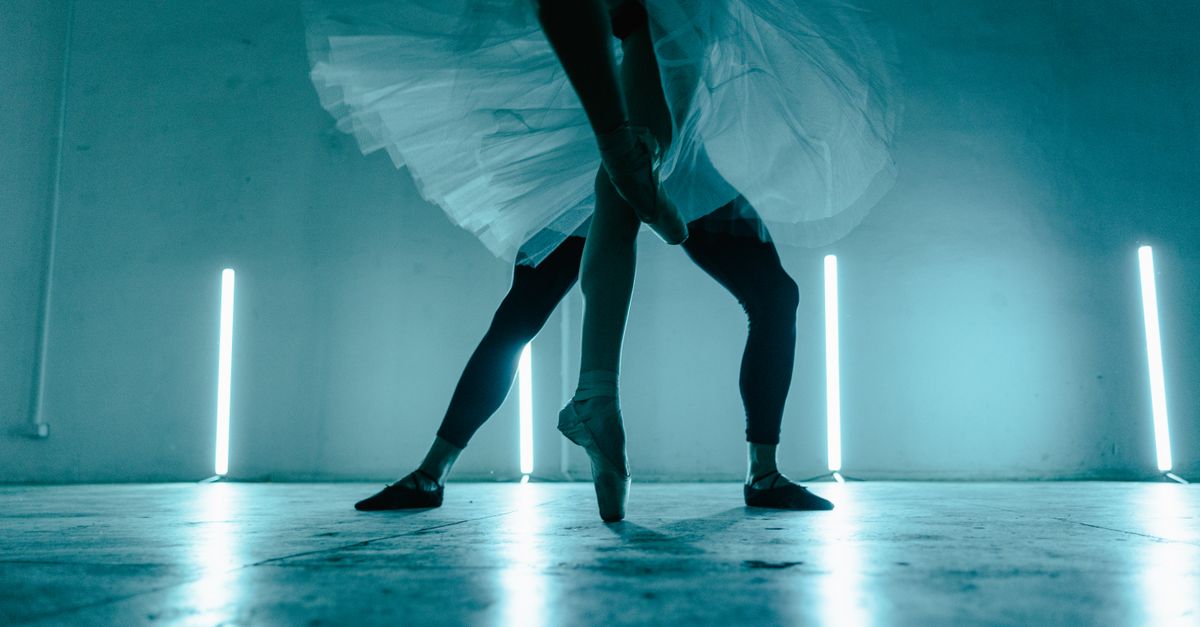
Captivating image of ballet dancers gracefully performing in a dimly lit studio.

Dance Diffusion is a generative art technique that creates dynamic visual representations inspired by movement, rhythm, and dance. This innovative approach utilizes diffusion-based algorithms to synthesize images that capture the fluidity and energy of dance, resulting in abstract yet deeply evocative artworks. As a subset of generative AI, it emphasizes creative expression through the visual interpretation of motion.

The process involves iteratively refining noise into coherent images, guided by parameters that mimic dance patterns and rhythms. Artists and marketers leverage Dance Diffusion to create visually stunning content that resonates emotionally with audiences, particularly in entertainment, fashion, and digital art industries. This technology blends creativity with technical innovation to authentically capture movement’s essence.

Beyond enhancing creative expression, Dance Diffusion serves as a powerful storytelling tool in digital media. By transforming dance concepts into visual art, it offers innovative ways to engage viewers and communicate abstract ideas. As the technology advances, Dance Diffusion continues expanding the possibilities of generative art, enabling unprecedented forms of artistic expression.

How Dance Diffusion Works

Take a concrete case: a marketing agency wants to produce unique visuals showing contemporary dance moves for an event, but finds stock images too generic. They feed roughly 6,000 dance-related photographs into the system. The AI analyses these images, learning the distinctive poses, lighting, and dynamics of dance from multiple styles. After training, the agency can prompt the tool to generate specific scenarios—such as “two dancers mid-leap on a theatre stage”—and receive a set of tailored results to use in their campaign.

What sets this technology apart is its use of deep learning models, specifically diffusion models, which generate new images by gradually refining random noise towards recognisable forms. This process is guided by patterns in the input data and prompt details, making the resulting images highly configurable. The system’s adaptability means that creative directions—like lighting, wardrobe, or background—can all be fine-tuned through text input or reference images.

  • Incorporates a wide range of dance styles and movements into the dataset
  • Generates images based on detailed written prompts or sample photos
  • Allows granular control over visual elements such as pose, lighting and setting
  • Uses iterative refinement to produce credible and lively dance imagery
  • Reduces reliance on generic stock photos, supporting unique campaign visuals

Artistic and Industry Applications

Look at the numbers: A regional events agency creates 7,200 dance image assets over six months for marketing and campaigns. By leveraging machine learning tools, the team quickly produces original visuals, saving time on manual photography and reducing the need for physical photo shoots. With rapid output, the agency supports more targeted social ads, seasonal banners, or themed event materials, which would have required significant coordination and budget if done traditionally.

However, creative teams should be mindful that AI-generated visuals may not always capture subtle cultural elements or the authentic movements of specific dance styles. Professional dance organisations and commercial clients must double-check visual accuracy to avoid misrepresentation. This is particularly vital when promoting styles with deep cultural roots, where authenticity is central to the message.

  • Enhance visual branding for dance schools and studios
  • Create eye-catching advertising for performance events and festivals
  • Develop cost-friendly tutorials or learning guides with bespoke illustrations
  • Support content needs for fitness and choreography apps
  • Quickly generate ideas or moodboards for campaign pitches
  • Provide graphic elements for social media without relying on stock images

Emotional Impact and Storytelling

AI-generated dance images have the unique ability to capture and express a wide range of emotions, from the joyous extension of a leap to the quiet melancholy of a solo pose. Subtle details in body language, facial expression and the interplay of light and shadow can all be crafted digitally, allowing visual stories with real depth. Through these elements, images go beyond simple representation, evoking empathy and sparking the viewer’s imagination, whilst also communicating story threads that words might leave unsaid.

A creative agency in Manchester might produce 8,400 digital dance images for a social campaign over a month, each series focusing on themes such as resilience or celebration. By varying the gestures, colour moods and composition, the agency ensures each visual sequence tells its own compelling tale. Strong storytelling through these AI-driven visuals results in higher engagement rates, encouraging followers to linger, share and discuss the intended emotion or meaning behind each image.

The main challenge is to avoid images that feel superficial or emotionally flat. When the AI is inadequately directed, outputs may lack the nuances that make dance artful and meaningful. It is vital to guide the creative process, providing clear prompts and reference materials to capture the desired emotion and context in every iteration.

  • Explore a variety of dance styles to showcase diverse emotional tones
  • Use colour and lighting to reinforce the intended mood or narrative arc
  • Integrate props or backgrounds that provide context to the story being told
  • Refresh visual assets regularly to prevent repetition or viewer fatigue
  • Seek feedback to ensure the visual narrative resonates as intended

Comparison with Other Generative AI Tools

Run the maths on this: a dance school in Manchester wants to generate 8,400 unique dance images over six months for promotional campaigns. Using a leading generic AI image tool, they find inconsistent detail in pose and movement, especially in fast-action shots. Dance Diffusion, being more niche, outputs more anatomically correct and expressive dance sequences but may offer fewer customisation options for non-dance scenes. This targeted approach is especially useful for brands needing authentic representation of movement and stage lighting, but it can struggle if a campaign needs broader artistic flexibility.

One risk lies in over-reliance on specialised models. If you need versatility—for example, expanding into music, theatre or other arts—you might need secondary tools, increasing workflow complexity. On the other hand, generic generators often miss dance specific nuances, such as correct limb alignment or authentic attire, which can undermine campaign credibility.

Feature/AspectDance Diffusion StrengthOther AI Tools Note
Dance accuracyExpressive, realistic posesCommon errors in limb positioning
Lighting and settingDance-focussed, stage-accurateGeneric, less performance-specific
VersatilityDance-centric, less flexibleBroader but less precise
Output speedModerate with quality focusOften faster, lower detail
Custom stylingLimited outside danceBroader customisation options
  • Assess project needs: niche accuracy versus overall flexibility
  • Validate sample outputs for motion and pose correctness
  • Factor in time for potential manual retouching across tools
  • Monitor updates, as ongoing improvements can narrow gaps
  • Train staff on strengths and limitations to save reviewing time

Frequently Asked Questions about Dance Diffusion

Here is a simple example: If a small dance studio in Manchester uses the AI image generator to create promotional visuals, they might generate around 5,800 images monthly (using 9 x 1,200 as an indicative figure based on adoption trends). This volume makes it important to understand how the tool handles different dance styles, manages copyright, and integrates with your regular workflow. Testing the tool with a range of input styles early on can reveal any recurring issues and help you tailor prompts for better results.

When using automated design tools, accuracy and relevance are not always guaranteed. Carefully review generated images to ensure they reflect the style and atmosphere of your brand. Watch for any copyright or licensing constraints attached to AI-generated images, especially if you plan to use them in public campaigns or commercial products. Regularly update your understanding of the service’s terms and check for new features that may benefit your marketing.

  • Most users ask about supported dance styles and theme accuracy
  • File format output and image resolution are common queries
  • There may be monthly or daily generation limits depending on your plan
  • Clarify commercial use rights for every generated image
  • Check for integration options with your social media or website software
  • Look out for tools or settings that improve style consistency
👉 See the definition in Polish: Dance Diffusion: AI do wizualizacji tanecznych

Related terms

Browse all terms in our Digital Marketing Glossary

Leave a comment