
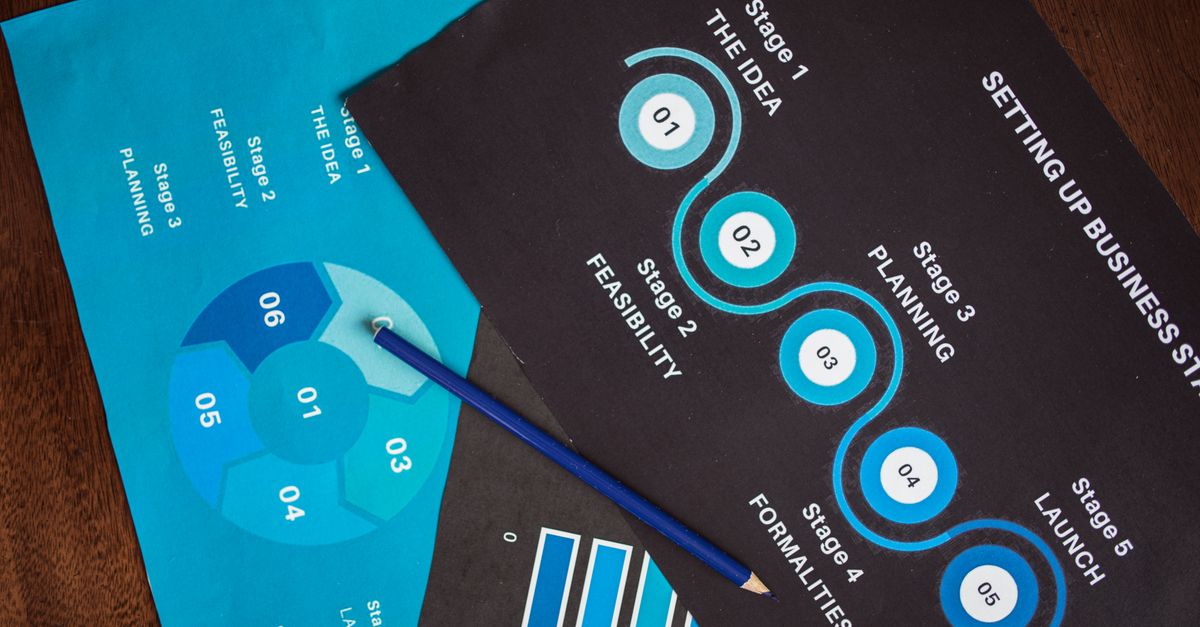
Development Level refers to the stage of maturity or progress achieved by a product, project, or organization in its lifecycle. It is a crucial concept in product development and innovation management, indicating how far an initiative has progressed from conception to market launch and beyond. Understanding the development level helps organizations allocate resources, plan timelines, and set realistic expectations for performance and growth.
At the early stages, development levels focus on ideation, prototyping, and initial testing, where the emphasis is on exploring concepts and validating hypotheses. As a project advances, it moves into refinement, scaling, and market penetration stages, where additional resources are invested to optimize performance and expand reach. Each stage requires different strategies, methodologies, and evaluation metrics, making the development level a critical component of project management.
Ultimately, assessing the development level provides valuable insights into the viability and potential impact of a project or product. It enables businesses to monitor progress, identify areas for improvement, and make strategic adjustments that drive successful outcomes. A clear understanding of development levels is essential for effective planning, risk management, and long-term growth.
👉 See the definition in Polish: Development Level: Etap rozwoju