
Image ads: Visual advertisements for digital campaigns

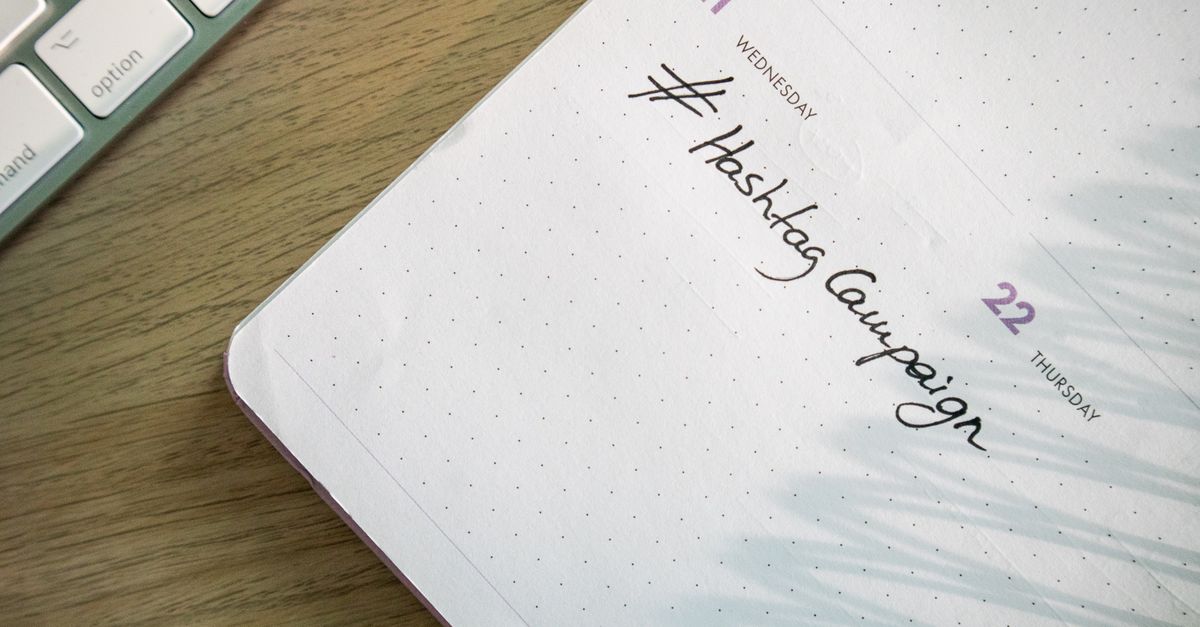
Open planner with 'Hashtag Campaign' handwritten next to keyboard. Ideal for social media and productivity themes.

Image ads are a powerful form of digital advertising that utilizes visually compelling graphics to effectively communicate a brand’s message. These ads employ striking imagery, carefully selected color palettes, and creative layouts to capture viewers’ attention amidst the vast sea of online content. By using images as their primary medium, they aim to evoke emotions and create memorable brand impressions at first glance.

Beyond mere aesthetics, image ads are strategically designed to be both informative and persuasive. They typically incorporate minimal text, clear calls-to-action, and strategically placed brand elements to drive user engagement. Marketers deploy these ads across various platforms—from social media feeds to website banner placements—to reach diverse audiences and generate measurable responses like clicks and conversions.

The effectiveness of image ads is continually improved through data-driven optimization. Advertisers analyze key performance metrics such as viewability, click-through rates, and post-click engagement to refine creative elements and placement strategies. This iterative process not only maximizes return on investment but also ensures that the visual storytelling remains aligned with evolving consumer preferences and market trends.

Key Elements of Effective Image Ads

Take a concrete case: a small neighbourhood café in Galway wants to promote its new weekend brunch offering. They decide to run a digital campaign using 7,200 impressions for their image ad that visually highlights their best-selling dish. By focusing on a bright, high-quality photo, concise messaging, and a clear call to action—such as “Book Your Table”—they quickly notice increased engagement via bookings. Their approach demonstrates that sharp visuals, combined with short, actionable text, can grab attention and spark interaction, even with a modest number of views.

The café, however, must resist the temptation to overcrowd the image with text or irrelevant graphics. Cluttered ads confuse viewers and can reduce their overall impact. The main components to consider include the image itself, brand visibility, concise copy, and a strong call to action. Testing variations will help hone the most resonant version. Regularly refreshing images also ensures ongoing relevance and maintains audience interest.

  • Use high-resolution, well-lit images that tell your story quickly
  • Keep message text short, legible, and on-brand
  • Place branding clearly without dominating the image
  • Include a single, direct call to action
  • Ensure any overlaying design elements are subtle, not distracting
  • Test multiple visuals and headline combinations for best results

Common Pitfalls and Mistakes to Avoid

Look at the numbers: imagine a Cork bakery launches a set of image ads, channelling 3,500 EUR per month into the campaign for five months. If the ad visuals are cluttered and the message unclear, engagement rates can plummet, wasting up to 17,500 EUR across the period. Poor image quality or off-brand visuals lead to low click-through rates, draining the budget with little return. Testing and monitoring metrics regularly are essential practices, so campaigns can be tweaked before losses add up.

A frequent slip is ignoring audience preferences, leading to mismatched visuals and disappointing results. Ads that do not account for local interests or try to pack in too much information tend to be overlooked. Copy that is hard to read, or images that fail to deliver a consistent brand identity, also undercut campaign impact. Checking performance data weekly, refreshing creative materials, and sticking to clear core messages give your campaign a much better chance of success.

  • Avoid text-heavy designs and stick to a single, strong message
  • Use high-resolution, brand-appropriate images for every ad
  • Test multiple variations and monitor results closely each week
  • Adapt visuals to your local audience’s tastes and interests
  • Prioritise clarity and minimalism over visual clutter
  • Refresh underperforming ads with new creative concepts

How Image Ads Differ from Other Digital Ad Formats

Image advertisements stand apart from other digital ad formats in how they grab attention and convey a message. Unlike text ads, which rely on compelling copy, or video ads, which unfold a narrative over time, images use immediate visual impact to spark interest or evoke emotion. This makes them well-suited for building brand recognition or prompting quick decisions, especially when the visual is striking and on-brand. At the same time, image ads can be less engaging if the creative is too generic, and unlike video, they cannot show movement or tell complex stories.

A key difference also lies in targeting and user interaction. Display networks can serve image ads to large audiences rapidly, often achieving a high number of impressions in a short time. However, these ads usually see lower engagement rates than native or video formats, as some users develop “banner blindness” and ignore obvious imagery. Careful design, contextual placement, and A/B testing become essential for avoiding wasted budget and maintaining effectiveness.

FormatBest Use CaseMain Limitation
Image adsQuick brand impactRisk of banner blindness
Text adsDirect response/search intentEasily overlooked visually
Video adsStorytelling and engagementHigher production cost
Native adsBlending within contentMay lack clear branding

For businesses weighing their options, it’s wise to experiment with a mix of formats. Factor in your campaign goals, creative assets, and budget, then monitor real-world performance to find what delivers the best value. Smart campaigns use the strengths of each format based on message and audience behaviour.

👉 See the definition in Polish: Image Ads: Reklamy wizualne w sieci reklamowej

Related terms

Browse all terms in our Digital Marketing Glossary

Leave a comment