
Media Plan: Strategy for scheduling and placing media ads

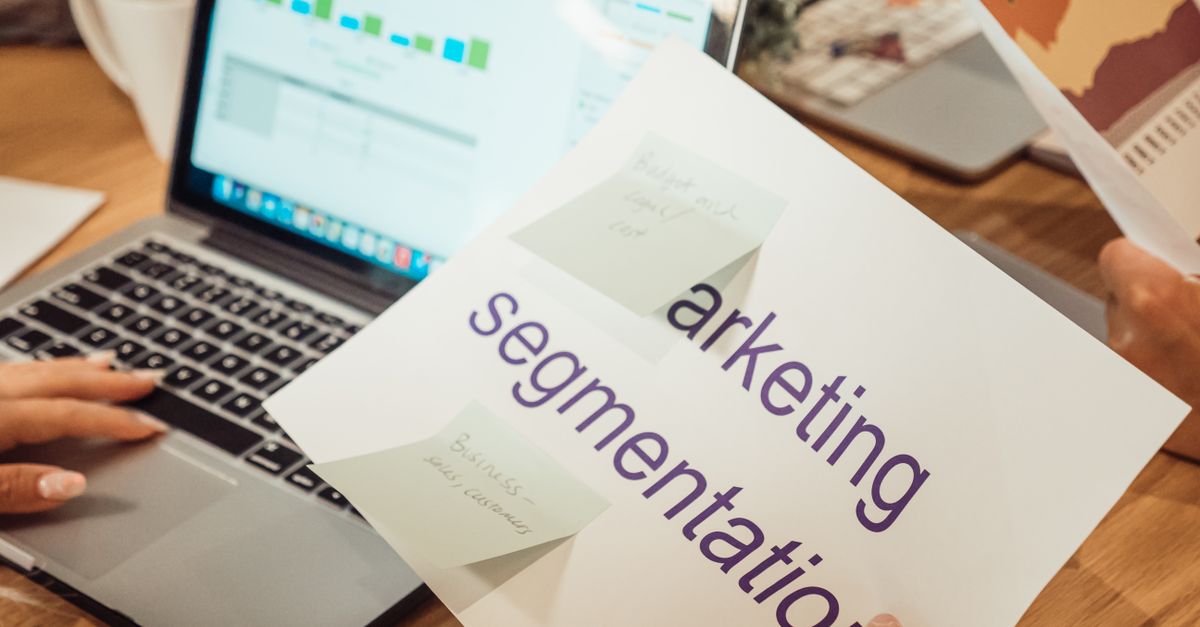
A modern workspace showing hands analyzing marketing data on a laptop and paper documents.

A Media Plan is a strategic blueprint that outlines the specific channels, timings, and budgets allocated for a marketing campaign. It serves as a roadmap for delivering the brand’s message to the intended audience and achieving key performance indicators. By detailing where, when, and how ads will appear, the plan ensures that all efforts are coordinated and aligned with the overall marketing strategy.

The planning process involves extensive research and analysis, including audience segmentation, channel performance, and competitive benchmarking. Marketers use these insights to select media channels that best reach their target demographics, whether through digital platforms, broadcast media, or traditional print outlets. The media plan also includes detailed scheduling and budget allocation to ensure that resources are optimally deployed throughout the campaign lifecycle.

Once the campaign is launched, the media plan serves as a reference point for performance tracking and optimization. By comparing actual results against the plan’s projections, marketers can identify areas for improvement and adjust tactics in real time. This proactive management not only enhances campaign effectiveness but also ensures that the overall marketing investment delivers the highest possible return.

Key Components of a Media Plan

Take a concrete case: a Cork-based SME plans to allocate EUR 2,000 per month for digital ads for a four-month seasonal campaign. To ensure effective spend, they first assess their target audience, breaking it down by demographics and habits. In this case, their product appeals mainly to urban professionals aged 25-40, active on social media and local news sites. With this clarity, they make informed decisions about where and when their adverts will be most visible.

A common risk is ruling out channels too early or spreading the budget too thinly across too many platforms, diluting impact. By laying out specific campaign objectives—for example, building awareness or driving direct online sales—the business can set clear benchmarks for success. Reviewing past campaign data or competitor activity can also highlight pitfalls, such as underestimating how seasonal demand or market noise might affect results. Make sure launch timings align with your audience’s highest engagement periods to achieve stronger returns.

  • Define clear campaign objectives and measurable goals
  • Identify and understand your primary target audience
  • Select suitable media channels based on audience behaviour
  • Set and allocate realistic budgets for each chosen channel
  • Establish a schedule for ad placements and flighting periods
  • Monitor and adjust to seasonal or market trends as needed

Media Plan Development Process

Look at the numbers: imagine a mid-sized Irish business budgeting EUR 3,500 per month for digital ads over four months. The first step is setting clear objectives—such as boosting product awareness or driving online sales—so every euro spent serves a purpose. Next comes audience research. By profiling ideal customers and analysing data, you ensure the budget targets the right segments.

Move to media selection, balancing reach and relevance. With EUR 14,000 over four months, you might allocate EUR 7,000 to paid search, EUR 5,000 to social media, and EUR 2,000 to digital display. Scheduling decisions matter: staggered bursts can drive awareness quickly, while even pacing may fit ongoing promotions. Regular performance review is essential. If conversions lag on social media, you can adjust and reallocate funds to better-performing channels.

Key risks include over-committing to one channel, failing to track results, or missing seasonal spikes that affect ad costs and consumer behaviour. Always check your plan aligns with your business calendar and adapts to real-time feedback. By following these steps, you can refine your media scheduling for impact and efficiency.

  • Define campaign objectives and specific success metrics
  • Research and segment your target audience carefully
  • Choose the best media channels for your customer profile
  • Allocate budget according to goal, cost and reach potential
  • Plan the ad schedule around peak opportunities or events
  • Monitor campaign results and optimise as data comes in
  • Adjust placements and spend based on ongoing performance

Common Challenges and Mistakes in Media Planning

Misjudging audience behaviour is a persistent issue in media planning. Media plans often rely on outdated demographics or overgeneralised insights, which can lead to ineffective placements. A campaign set to reach 8,400 monthly users based on last year’s data might fall flat if those users’ habits have shifted to different platforms. Failure to regularly refresh audience profiles reduces the ability to connect with the right people, wasting significant portions of the budget.

Another common pitfall is inadequate budget allocation. Some planners spread resources too thinly across too many channels, diluting the impact. Others might commit the majority of resources to a single medium out of habit, ignoring the potential for better returns elsewhere. This lack of balance can prevent campaigns from delivering optimal results. Instead, robust forecasting and scenario planning are key.

A further challenge lies in measuring effectiveness. Without properly defined performance metrics from the outset, it becomes difficult to judge success or take corrective actions mid-campaign. Setting clear KPIs linked to real business goals, not just vanity metrics, is essential for marketing success.

  • Relying on outdated audience data or assumptions
  • Ignoring shifts in consumer media habits
  • Overcommitting budget to one channel without testing others
  • Skipping pre-campaign forecasting and scenario planning
  • Setting vague objectives or failing to define clear KPIs
  • Neglecting to review and refine the plan during the campaign
  • Focusing only on impressions or clicks, not results connected to business goals

Practical Example of a Media Plan

Run the maths on this: a local e-commerce business aims to launch a three-month campaign across social media, digital display, and regional radio. Their total budget for this period is EUR 5,500, spread evenly over the three months. They decide to allocate 60% of the spend to social, 25% to digital display, and 15% to radio. Each channel has designated content types, targeting priorities, and recommended frequency based on campaign objectives. The plan schedules posts, display ads, and spot radio placements to match key shopping dates and anticipated consumer behaviours.

During implementation, the business tracks weekly reach, engagement, and conversion rates for each channel using dashboard analytics. They adjust placements mid-campaign if certain channels underperform, shifting a portion of budget from digital display to social media to capitalise on higher engagement rates observed in the second month. Reviewing performance by channel ensures money is not wasted on low-impact placements.

ChannelBudget AllocationScheduling Note
Social MediaEUR 3,3003 weekly posts, evening peak on Tue/Thu/Sat
Digital DisplayEUR 1,400Refresh creative at start of month 2
RadioEUR 800Morning slots, local stations

For successful execution, always monitor campaign metrics and remain ready to reassign budget on the fly. This flexibility allows businesses to optimise results and get better returns on their advertising investment.

👉 See the definition in Polish: Media Plan: Strategia planowania działań medialnych

Related terms

Browse all terms in our Digital Marketing Glossary

Leave a comment