
Seasonal trends: Market changes based on time of year

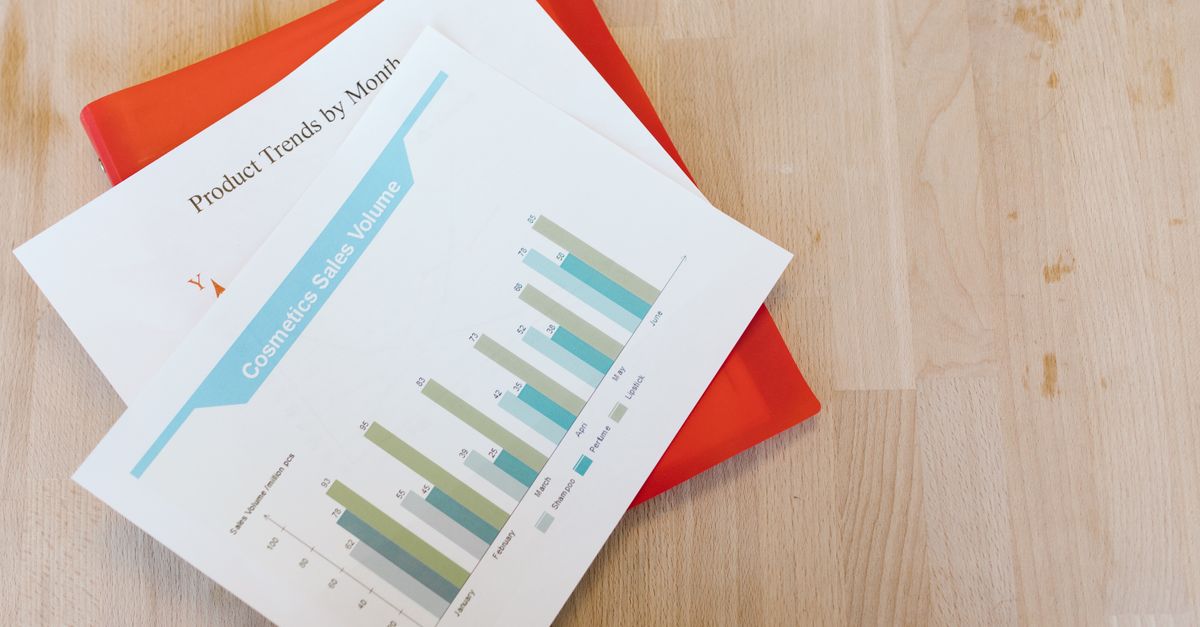
Top view of a cosmetics sales volume report with charts on a wooden desk.

Seasonal trends refer to predictable fluctuations in consumer behavior, market demand, and economic activity that recur during specific periods of the year. These cyclical patterns significantly impact various industries, from retail and hospitality to entertainment and digital marketing. Understanding and capitalizing on seasonal trends is essential for effective strategic planning in both marketing and business management.

The holiday season, for instance, typically triggers a substantial increase in retail spending as consumers purchase gifts, decorations, and attend festive events. Similarly, summer months often see heightened demand in travel and leisure sectors. These seasonal variations also influence online search behavior, with certain keywords and topics gaining prominence during specific periods. Businesses that analyze and adapt to these patterns can optimize their marketing strategies to maximize opportunities during peak seasons while minimizing the impact of slower periods.

Effective analysis of seasonal trends requires thorough examination of historical data and market research. Tools such as Google Trends, sales reports, and industry-specific analytics provide valuable insights into evolving consumer behavior and market dynamics. By incorporating these findings into their strategic planning, companies can better manage inventory, adjust pricing strategies, and develop targeted promotional campaigns to drive revenue throughout the year.

Take a concrete case: an online garden furniture retailer in Ireland sees monthly sessions expand from about 6,000 in January to over 12,000 in May as warmer weather and longer evenings approach. This surge is driven by a combination of factors: climate patterns influencing outdoor habits, holiday periods prompting family gatherings and home improvements, and promotional campaigns tailored to spring. For businesses, failing to anticipate such swings can result in stock shortages or missed sales opportunities right when demand peaks.

Several pitfalls can undermine preparations for seasonal changes. One is relying solely on previous years’ figures without accounting for external factors, such as a shift in school holidays or new competitors entering the market. Another risk is overstocking after a successful year, leading to excess inventory if demand does not materialise as strongly. Businesses should remember to analyse not just the periods of high demand, but also the quieter months, to manage cash flow and staffing effectively.

  • Weather changes affecting consumer purchasing behaviour
  • Holidays and local events shaping periodic demand spikes
  • School calendars prompting seasonal shifts in family spending
  • Industry cycles (such as tax year-end or harvests) impacting B2B demand
  • Marketing campaigns and sales offers aligning with key seasons
  • Changing competitive activity, like new store openings
  • Broader economic or political shifts influencing spending habits

Look at the numbers: a local garden centre in Galway typically sees about 7,200 shoppers per month during the peak spring period, calculated as 1,200 times (2+4), but this drops significantly by late autumn. Seasonal trends like these have a sizeable impact on what, when, and how much people buy. In spring, customers prioritise gardening tools, seeds, and outdoor furniture. Come winter, interest shifts towards indoor plants and festive decorations. Businesses that carefully track these shifting patterns can ensure their product lines and marketing are in tune with customer priorities at each stage of the year.

Ignoring seasonal trends can result in missed opportunities or, worse, wasted stock that does not sell. For instance, running a major outdoor campaign for summer items in October will likely see poor engagement and low return. Analysing past seasonal data and adjusting stock, promotions, and content in response to these trends offers a practical route to stronger sales and customer satisfaction.

  • Monitor year-on-year sales fluctuations for better prediction
  • Adjust campaign timing to peak seasonal demand
  • Rotate product displays according to seasonal interests
  • Promote relevant categories through email and social channels
  • Use past seasonal sales to inform stock levels
  • Align marketing themes and visuals with season-specific moods

Analysing and Forecasting Seasonal Market Changes

Effective analysis begins with reviewing historical sales, site traffic, and customer engagement during key seasonal periods. By identifying recurring peaks and troughs, businesses gain insights into underlying market dynamics. Digital tools allow firms to examine trends across several years, highlighting which months or weeks typically outperform others. Comparing, for example, average monthly sales over a five-year period often reveals repeatable patterns. These patterns form the foundation for more robust forecasting.

The choice of method for forecasting influences inventory and promotional planning. Statistical models such as moving averages, exponential smoothing or regression analysis can be applied to past retail data, producing projections for forthcoming seasons. Machine learning algorithms are also increasingly used for more complex or noisy data, although these require higher expertise. Accurate forecasting reduces the chance of overstocking or missed sales, directly impacting profitability.

MethodWhat to checkRisk or note
Moving AveragesConsistency of past cyclesCan miss sudden trend shifts
Exponential SmoothingSpeed of response to new dataSensitive to recent outliers
Regression AnalysisInfluence of multiple factorsNeeds well-selected variables
Machine LearningData quality and volumeCan overfit if not managed properly

Forecasts are only as good as the data and assumptions behind them. Factors like weather, shifting consumer habits, or external shocks require regular updating of models. Businesses should validate forecasts by comparing them to actual results each season, refining approaches as needed for greater accuracy. A disciplined review process ensures you stay ahead of unpredictable changes.

Run the maths on this: imagine a retailer allocates €6,500 per month for six months to ramp up advertising for a peak season. If they forget to scale down quickly after the busy period, up to €19,500 may be wasted on ads after demand drops. This cash could have supported more targeted campaigns or stock investment. The mismatch between planned spend and actual demand is just one costly result of not tracking market shifts in real time.

A frequent misstep is relying solely on last year’s seasonal data without adapting to current year trends, such as shifting consumer behaviour or unexpected weather. Equally, some businesses overlook the impact of holidays that differ across regions, creating predictability gaps. Reacting too late or overcompensating on inventory and staffing can expose you to either stock shortages or excess, both affecting profitability and customer satisfaction.

  • Failing to review and adjust budget as demand changes
  • Using outdated sales data instead of recent trends
  • Ignoring unexpected market or weather shifts
  • Over-ordering or under-ordering seasonal stock
  • Neglecting regional calendar differences
  • Spreading campaigns too thin after peak season ends
👉 See the definition in Polish: Seasonal Trends: Trendy sezonowe w zachowaniach konsumentów

Related terms

Browse all terms in our Digital Marketing Glossary

Leave a comment