
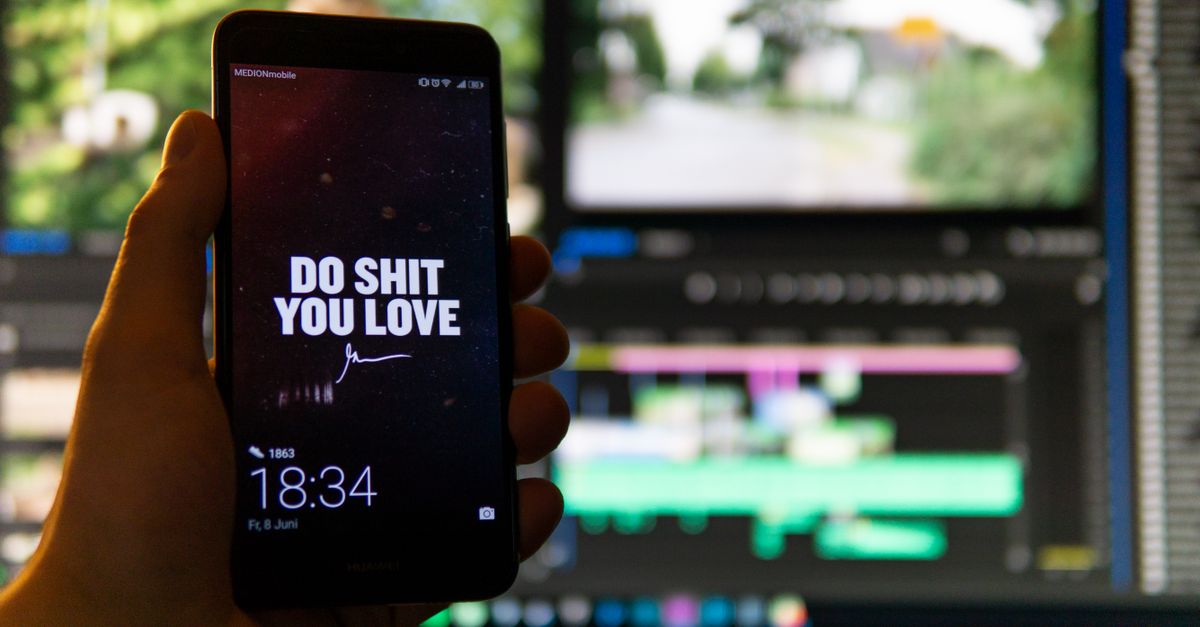
Video posts are short-form video content shared on social media platforms or blogs, designed to engage audiences quickly and effectively. These posts serve as a versatile tool for content creators and marketers, as they can convey a wide range of messages—from promotional announcements to educational content or simple storytelling. Typically optimized for mobile viewing, video posts are often shared to stimulate conversation, boost engagement, and increase brand visibility.
The format of video posts is usually concise, aiming to capture the viewer’s attention within the first few seconds. Creators frequently use eye-catching visuals, dynamic editing, and compelling narratives to ensure their content stands out amidst the vast array of social media posts. Video posts can be live-streamed or pre-recorded, each offering unique benefits: live videos foster real-time interaction with the audience, while pre-recorded ones allow for precise editing and polish.
In terms of distribution, video posts are shared across platforms like Facebook, Instagram, Twitter, and LinkedIn. Each platform has its own best practices regarding video length, aspect ratio, and captioning, making it crucial to tailor content to the specific medium. The interactivity of video posts—enhanced by features such as likes, comments, and shares—helps build a community around the content and amplifies its reach.
Key Features of Video Posts
Take a concrete case: imagine a business with 6,000 monthly sessions on its social channels, aiming to maximise engagement through video content. The most effective video posts tend to use eye-catching visuals within the first three seconds, draw users in with clear messaging, and maintain an optimal length. On most platforms, video posts of 30 to 90 seconds perform well, as viewers are more likely to watch them in full and act on calls to action.
Videos need to be tailored to the feed where they appear. Square or vertical formats usually work best for mobile users, reflecting the predominance of mobile traffic. Good lighting, crisp audio, and prominent branding help make videos stand out as users scroll. Simply uploading any video is not enough—clips must be visually appealing and cohesive with the business’s broader content strategy for social media posts featuring video content to gain traction.
- Strong visual impact in the first three seconds
- Clear and concise messaging throughout the video
- Optimal length: usually 30–90 seconds for social platforms
- Mobile-friendly formats such as square or vertical
- High-quality visuals and audio
- Visual branding that matches your business identity
Distribution Across Social Media Platforms
Look at the numbers: If a business prepares 7,200 brand video clips a month for distribution—reflecting an ambitious but achievable schedule for a mid-sized retail chain—each platform’s unique mechanics affect how these clips are seen and shared. On some networks, native uploads and vertical formats boost discoverability. On others, hashtagging or clever use of Stories can push content to more users, while organic sharing may matter less than paid promotion or algorithmic amplification.
Understanding the interplay between format, shareability, and visibility can make a dramatic difference in reach. A video optimised for one platform (for example, vertical, under 60 seconds, and loaded with subtitles) may underperform on another where longer, widescreen content holds attention. Platform algorithms also reward different engagement types: one might give more weight to direct shares; another to comments or saves. Regularly reviewing performance analytics by platform will help identify which tactics yield the greatest distribution per video, letting you adapt quickly if one approach starts to lose steam.
| Platform | Key Distribution Feature | Max Reach Strategy |
|---|---|---|
| Short-form video app | Algorithmic feed prioritises recent engagement | Post during peak hours, jump on trends |
| Traditional network | Native video auto-plays, boosts comments/shares | Upload directly, encourage interaction |
| Visual-first feed | Stories push videos to top, ephemeral content | Use time-limited offers in Stories |
| Professional network | Favour longer-form, topic-driven videos | Position as employer insight or explainer |
Checking analytics weekly on each network—especially engagement rates and watch time—can expose when content resonates or fizzles. A one-size-fits-all approach risks undercutting your results, so tailor creative and scheduling to each network’s habits and opportunities.
Best Practices for Creating Engaging Video Posts
Strongly engaging video posts require a sharp understanding of your audience and a clear visual narrative. Videos should be designed to grab attention in the first few seconds—attention spans are short, especially in busy social feeds. Use striking imagery or an intriguing hook, paired with concise messaging, to ensure viewers stay engaged past the opening moments.
Consistency in style, branding, and posting schedule helps build familiarity and anticipation. Subtitles or captions are essential as a large portion of users watch videos without sound. Also, think about the ideal video length for your platform: short, punchy clips often outperform long-form content, but value-packed explainers can keep eyes on the screen when done well.
Invite viewers to interact by posing questions, using calls to action, or encouraging feedback in comments. Analysing viewer data—such as completion rates and click-throughs—helps to identify what works and refine future posts. Regularly test different formats, backgrounds or storytelling techniques, and adapt to what yields the best response.
- Capture attention in the first 3–5 seconds
- Keep videos concise and focused on one key message
- Add captions for silent viewing and accessibility
- Use strong branding elements for recognition
- Include clear calls to action or questions to boost engagement
- Monitor retention and interaction metrics to fine-tune content
- Experiment with video lengths, styles, and themes to identify what resonates
Common Challenges and Solutions
Run the maths on this: suppose a small marketing team spends about 7,200 minutes each month recording and editing clips for social media. If tedious retakes, poor lighting, and inefficient editing consume even 20% of that time, that’s 1,440 minutes wasted each month—hours that could be spent on strategy or engagement. The knock-on effect is more than frustration; rushed edits and sub-par visuals directly hurt audience engagement and dilute your brand message.
Disorganised planning is another common pitfall. Without a clear script, shot list, and schedule, it’s easy to lose track of messaging or miss crucial footage. This may result in inconsistent video quality and an unpredictable posting schedule, both of which can confuse or drive away viewers. A robust pre-production checklist streamlines filming and prevents expensive reshoots.
- Allocate time before filming for scripting to avoid lengthy retakes
- Invest in basic lighting and sound equipment to improve overall quality
- Batch film several short clips in one session to save editing time
- Use a simple content calendar to maintain consistency
- Assign clear roles within the team to manage time and tasks
- Review analytics monthly to refine your creative process
