
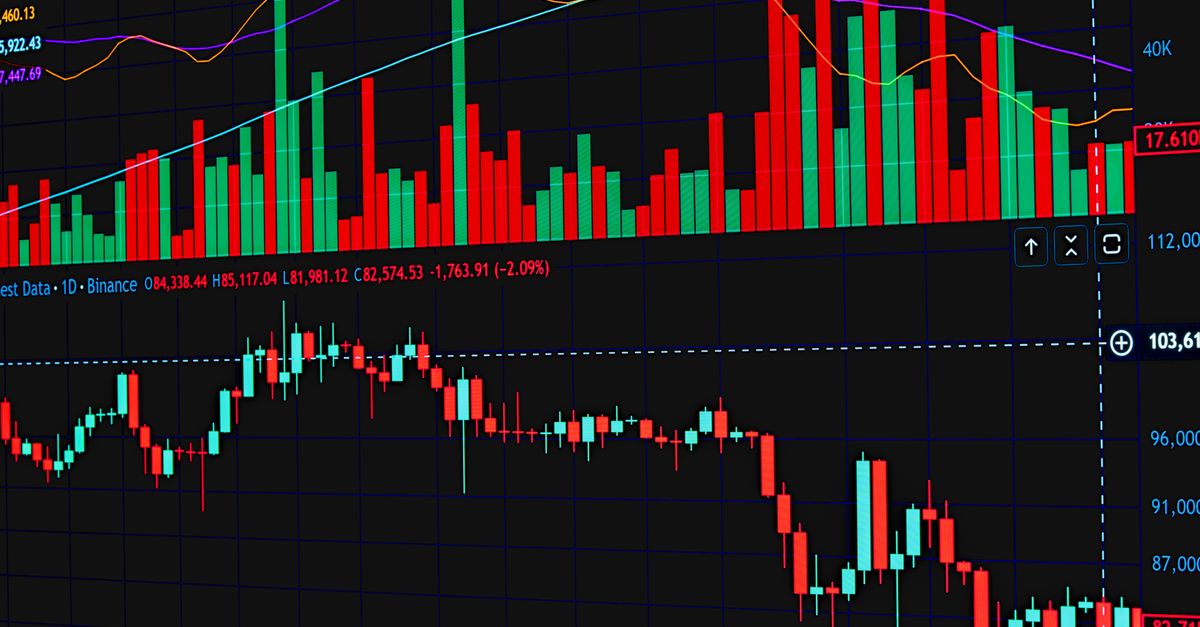
Demand-Based Pricing is a strategy where prices are set primarily based on the level of demand for a product or service. This approach allows businesses to charge higher prices during periods of increased demand, while lowering prices to stimulate sales when demand is weaker. Commonly employed in dynamic markets, this strategy accounts for fluctuations caused by seasonality, competition, or other market conditions.
By aligning prices with demand levels, companies can maximize revenue and efficiently manage supply constraints. Effective implementation requires continuous monitoring of market trends and customer behavior to enable real-time price adjustments. Industries like airlines and hotels frequently utilize demand-based pricing to optimize occupancy rates and yield management—charging premium rates during peak seasons while offering discounts in off-peak periods.
A data-driven approach to demand-based pricing leverages analytics and market research to accurately forecast demand patterns. This not only enhances profit margins but also strengthens a product’s competitive positioning. Ultimately, demand-based pricing empowers businesses to adapt swiftly to market dynamics, ensuring pricing strategies remain both profitable and competitive.
Core Principles of Demand-Based Pricing
Take a concrete case: suppose an online retailer notices that demand for a line of trainers spikes during spring, reaching around 6,000 monthly website visits—a substantial increase from their usual off-season interest. By monitoring this rise in consumer activity, the retailer can adjust prices upward during peak periods, capitalising on increased willingness to pay and maximising revenue. When demand drops in the following months, prices are strategically reduced to encourage purchases and maintain steady sales, ensuring they do not lose out to competitors.
Demand-based pricing requires businesses to actively monitor customer behaviour, staying alert to market signals and seasonal fluctuations. The aim is to strike a balance: charging more when demand climbs, but remaining competitive when it wanes. This approach relies on a flexible pricing structure that adapts to real-time data, rather than sticking to static price lists. The method works especially well in categories with clear demand cycles, limited stock, or time-sensitive offers.
- Analyse website traffic and sales trends to detect shifts in demand
- Use historical sales data to forecast likely high and low demand periods
- Adjust prices regularly to reflect live market conditions
- Explore automated pricing tools to help react quickly
- Always factor in competitor prices when making changes
- Avoid alienating loyal customers with overly aggressive price jumps
Industry Examples and Case Studies
Look at the numbers: A hotel in Galway adopts demand-based pricing by charging €3,500 for a seven-night stay during a busy festival week, compared to €1,800 for the same period off-season. This approach lets the hotel optimise revenue, as demand surges during popular events. In quieter months, the lower rate helps maintain bookings and occupancy levels, preventing empty rooms from impacting the bottom line. Many airlines and car hire firms in Ireland and the UK use similar tactics, raising prices for flights and vehicles around holidays or major events and dropping them on less popular travel days.
Retailers also apply this principle. For instance, if a local electronics shop notices a surge in demand before Christmas, it may lift prices for specific products, knowing customers are willing to pay more. Meanwhile, cinema chains adjust ticket prices for big blockbuster openings and then offer discounts on less crowded days to fill seats.
- Hotels raise rates for major events, then drop them off-season to drive occupancy
- Airlines adjust fares for peak holiday periods and last-minute bookings
- Retailers increase prices for in-demand electronics during gifting seasons
- Car hire agencies charge more around public holidays and local festivals
- Cinemas use premium pricing for opening nights and run deals midweek
- Event ticket sellers raise prices as inventory decreases and demand rises
- Theme parks use higher entry costs during school holidays and sunny weekends
Benefits and Challenges for Businesses
Adopting a demand-based pricing strategy allows businesses to optimise revenue opportunities by adjusting prices in line with consumer demand. This means higher prices during peak demand periods and more competitive offers during quieter times. While this can protect profit margins, it may also lead to customer frustration if perceived as unfair.
For example, a local events company offering 8,700 tickets per month (calculated as 1200 x [3+4]) could raise prices as demand spikes before a big match. This helps capture additional value, but risks alienating loyal customers if pricing seems unpredictable or excessive. The need for accurate demand forecasting is crucial, as incorrect analysis could result in lost sales or wasted inventory.
- Increases revenue by capitalising on periods of strong demand
- Improves inventory management and reduces unsold stock
- Enhances competitiveness during slower sales periods
- Requires robust data analysis and monitoring systems
- May damage brand loyalty if customers feel exploited
- Complex to implement, with risks if predictions are inaccurate
Demand Forecasting and Data Analysis
Run the maths on this: if a local fashion shop analyses 7,200 customer visits per month, it can spot seasonal spikes and dips, say before the holidays or in summer. By feeding this data into demand forecasting models, the business can anticipate how much stock will sell and when to adjust prices up or down. For example, if the forecast shows demand doubling ahead of a festival, the retailer may implement higher prices to optimise revenue and manage stock levels more efficiently.
Accurate data is the backbone of reliable forecasting. If the historic data is patchy or inconsistent, pricing decisions based on these forecasts can quickly misfire. Trends in purchasing behaviour, external factors like weather or events, and even economic indicators must be tracked and weighted properly. Failing to factor in outliers or sudden shifts may lead to either lost sales or overstocks, both of which can hurt profitability.
| Method | What to check | Risk or note |
|---|---|---|
| Historical averages | Variability in past seasons | May miss sudden spikes |
| Time series models | Consistency of underlying trends | Sensitive to outliers |
| Predictive analytics | Breadth of variables analysed | Data quality is crucial |
| Market surveys | Sample size and representativeness | May not capture rapid changes |
- Review input data for gaps or inconsistencies before forecasting
- Regularly update models to reflect changing behaviour patterns
- Resist the urge to price reactively on incomplete short-term data
- Compare multiple forecasting methods for best results
- Use visual data analysis to spot emerging shifts early
Common Misconceptions and Pitfalls
Here is a simple example: a Galway café increases coffee prices by 20% in the winter, believing office workers will pay the same for convenience. However, over a five-month trial, monthly sales drop from 9,000 to 7,000 cups, lowering revenue despite higher prices. This demonstrates that demand-based pricing is not just about raising prices when demand is high; it requires an accurate understanding of how sensitive your customers are to price changes.
A frequent pitfall is misjudging your customer base’s willingness to pay. Many businesses assume that increased demand always means higher tolerance for pricing, but fail to consider substitutes, loyalty, and competitive response. Relying on outdated data is another trap. Market conditions can shift quickly, and what worked last year may backfire this year. Make sure your analysis uses recent, relevant data, and continuously test different pricing points rather than opting for a “set and forget” strategy.
- Validate changes with recent market research before implementation
- Consider competitor moves and available substitutes before raising prices
- Monitor customer feedback closely during price adjustments
- Track not just sales, but actual revenue and profit shifts
- Test pricing in smaller segments instead of across the board immediately
- Regularly update demand models to reflect current trends and influences
