
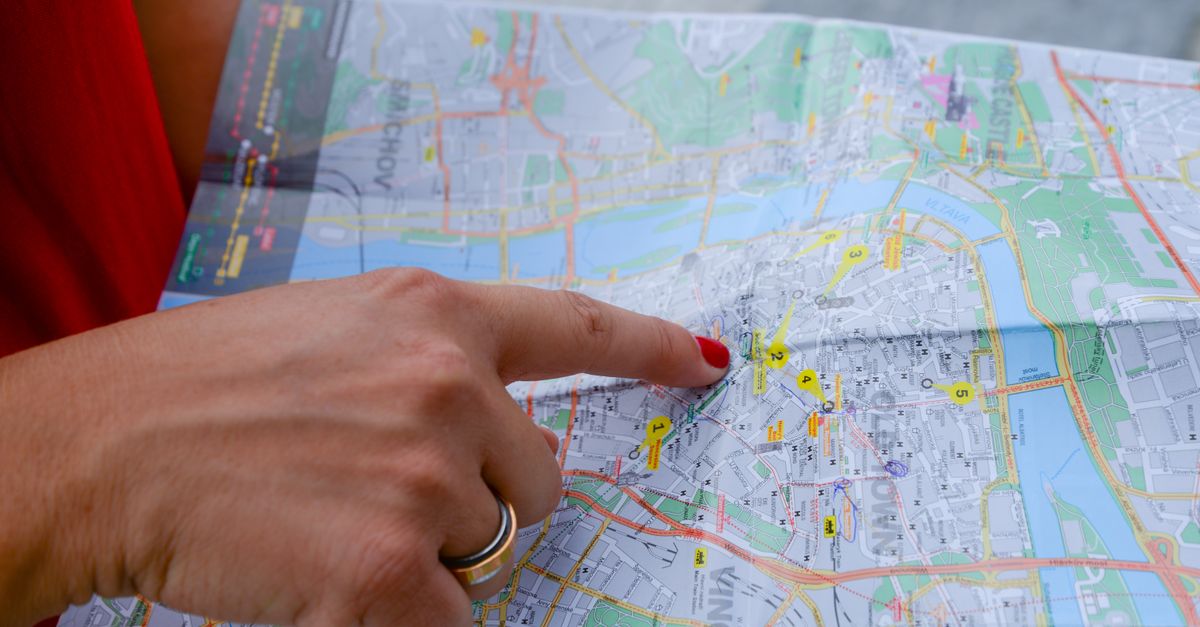
Geographic scope refers to the spatial extent or area over which a project, study, or business operation is conducted. It defines the boundaries within which data is collected, services are provided, or strategies are implemented, making it a critical consideration in research, marketing, and organizational planning. Clearly establishing the geographic scope ensures that analyses and strategies are relevant to the specific regions being targeted, thereby enhancing the accuracy and applicability of conclusions.
In research and data analysis, geographic scope determines the level of detail and granularity of the data being examined. A narrow geographic scope might focus on a single city or neighborhood, providing detailed insights into local trends and consumer behavior, whereas a broader scope might encompass an entire country or global market. This concept is essential for tailoring methodologies and ensuring that the data collected reflects the specific characteristics of the area under study, leading to more precise and actionable insights.
For businesses and policymakers, understanding geographic scope is vital for resource allocation, market segmentation, and strategic planning. It allows organizations to customize their products, services, or interventions to meet the needs of different regions effectively. By defining the geographic boundaries of their operations, companies can optimize logistics, target local advertising campaigns, and ensure that their strategies are aligned with regional economic, cultural, and regulatory factors.
👉 See the definition in Polish: Geographic Scope: Zasięg geograficzny działań firmy